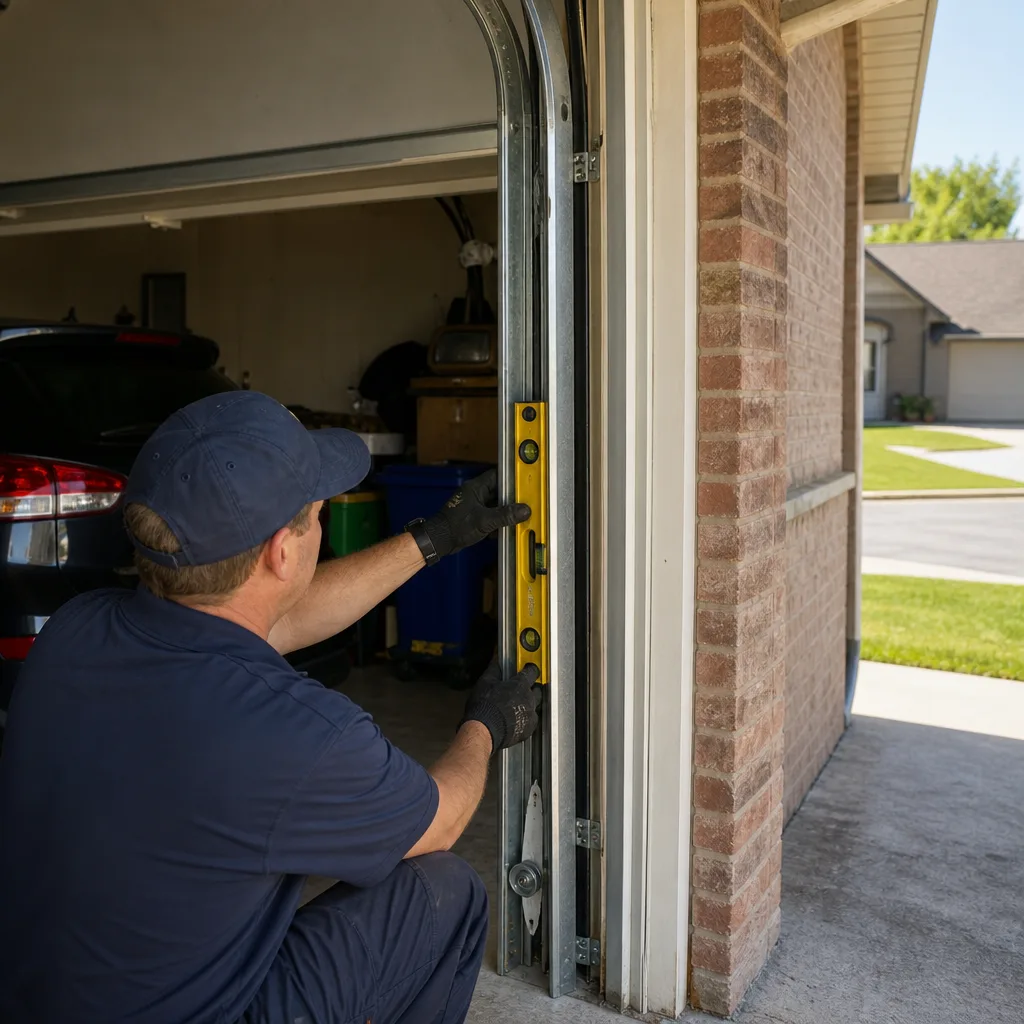
Last updated November 20, 2026
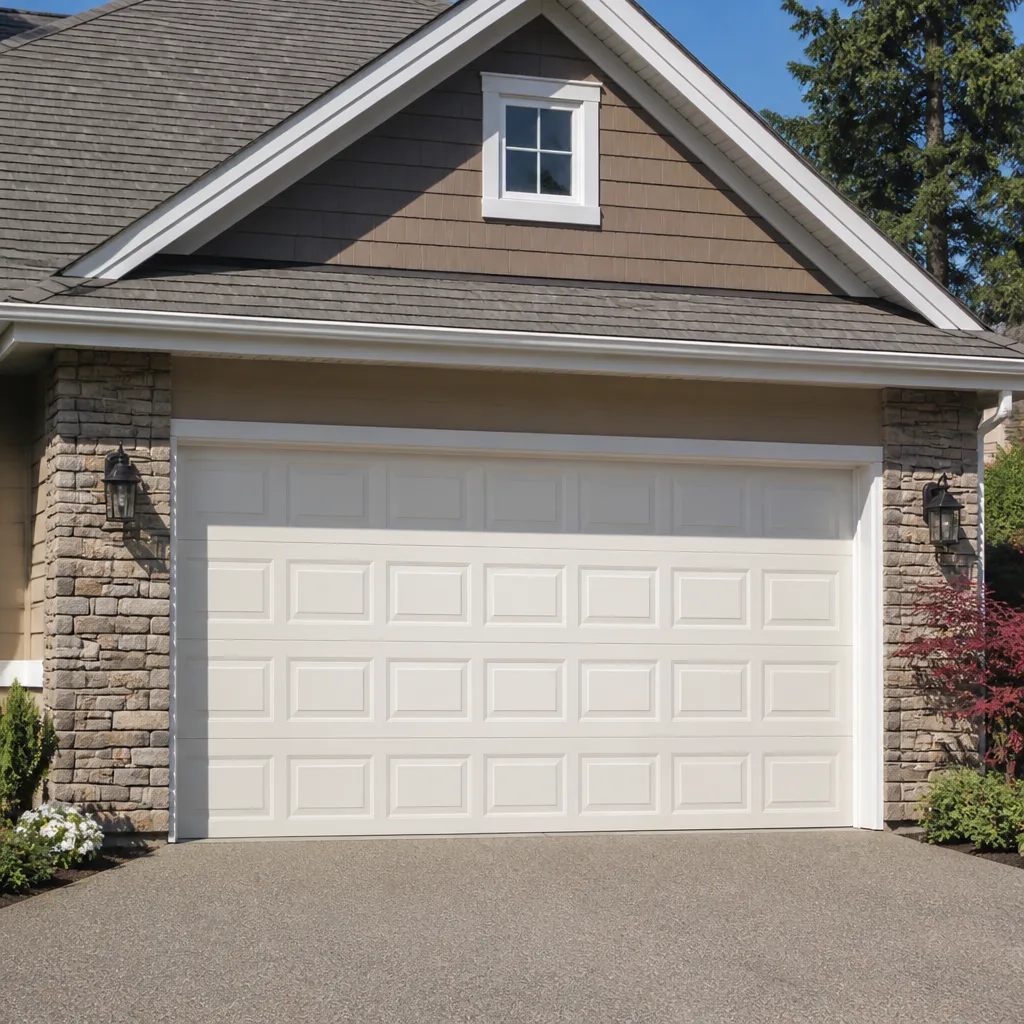 Raised-panel steel
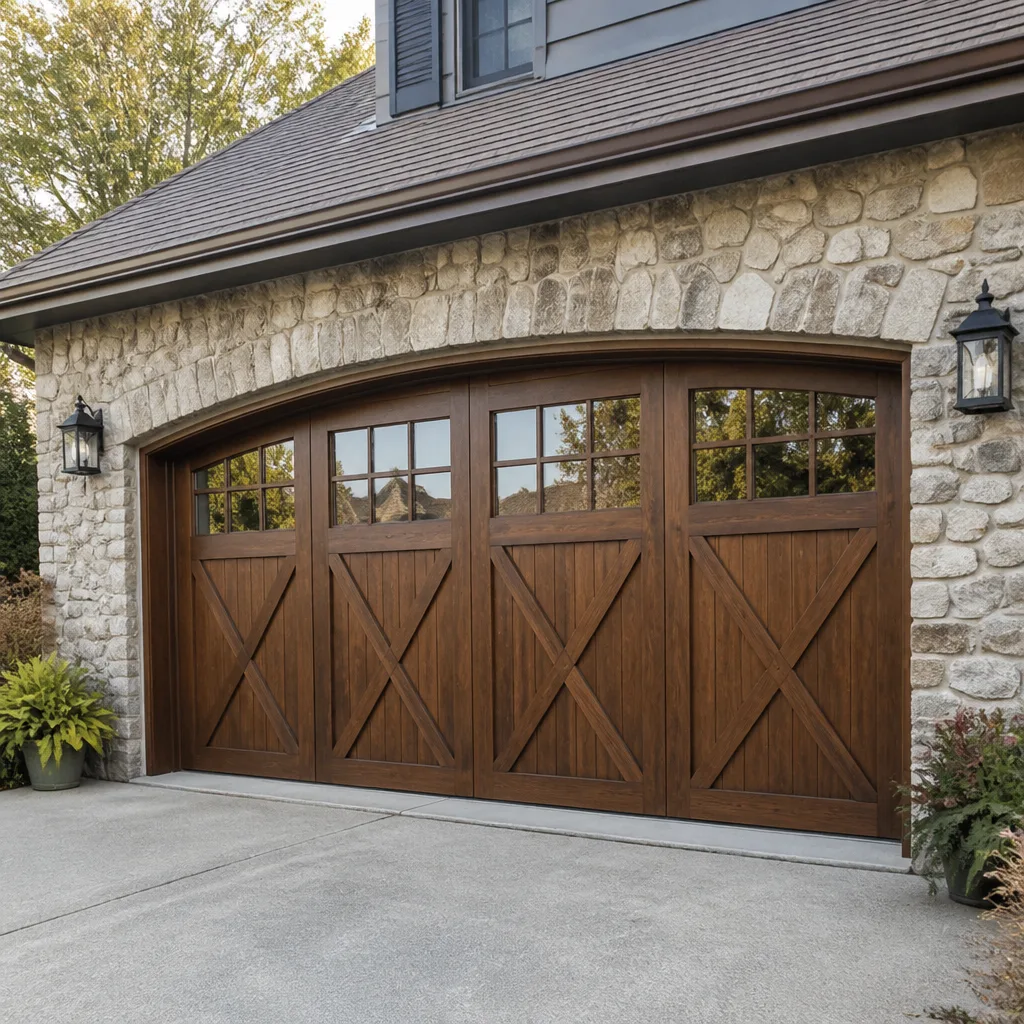 Carriage house
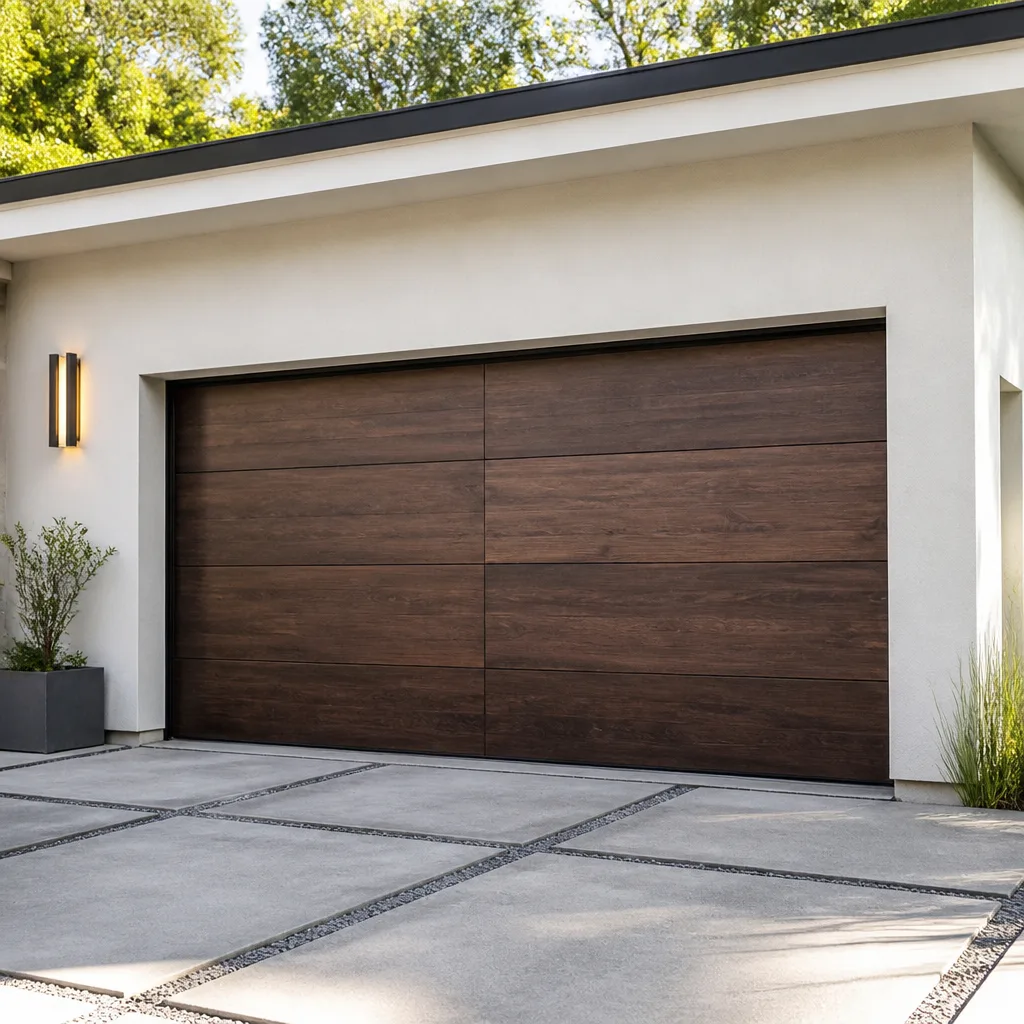 Modern flush
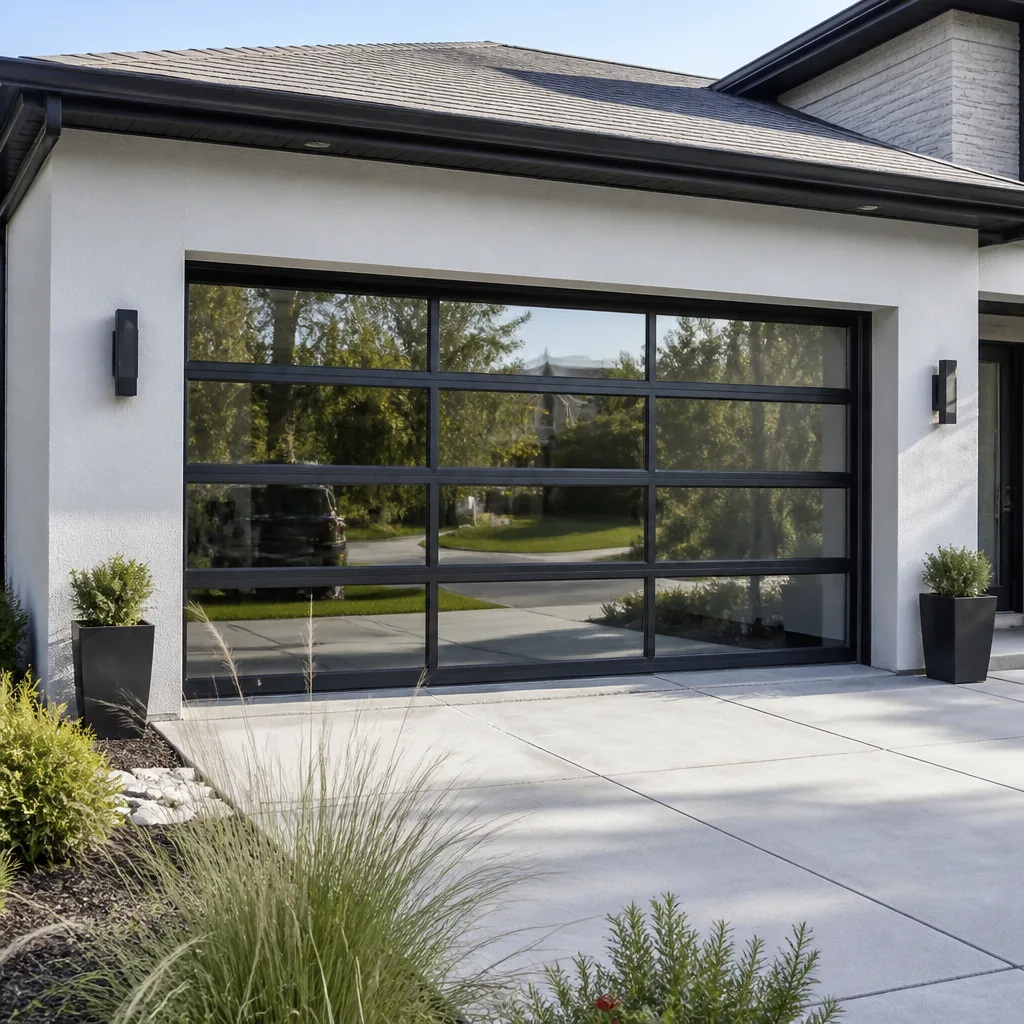 Full-view glass
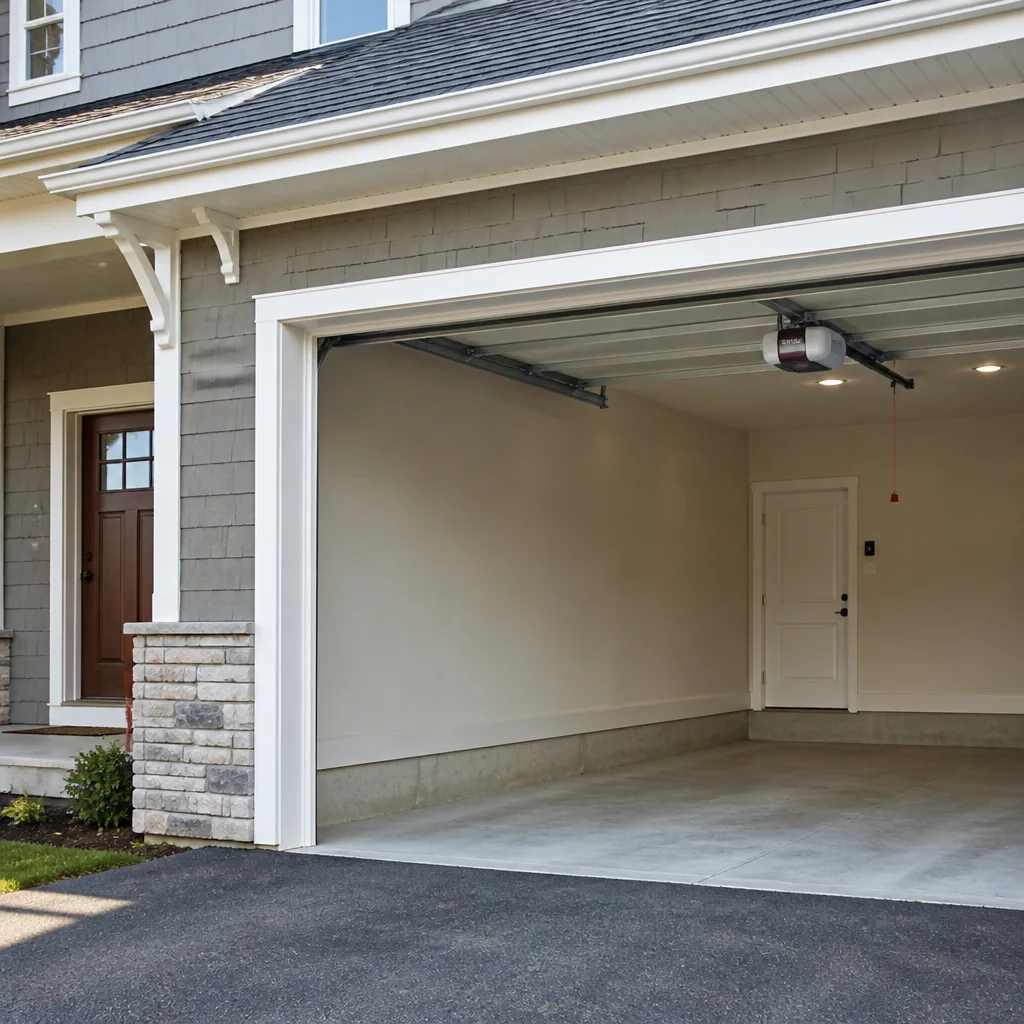 LiftMaster openers
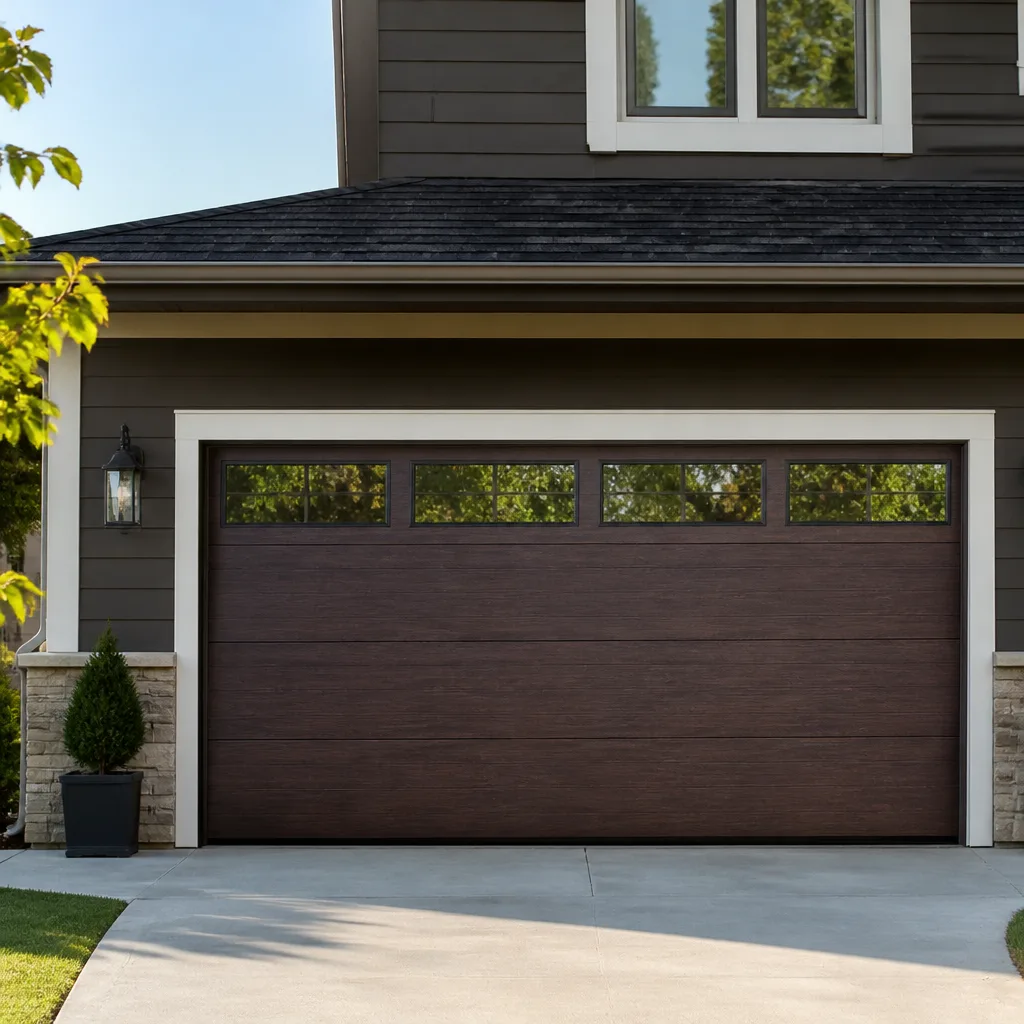 Chamberlain openers
Full 25-point door and opener safety check with every visit - springs, cables, rollers, tracks, and your LiftMaster or Chamberlain opener included
You get a price before we start. It does not change when the pro arrives.
Get your free estimateThe Complete Guide to Garage Doors in Nora
Your garage door is the largest moving part of your home and likely the one you know the least about – until the morning it refuses to open and you’re already late. Most Nora homeowners make garage door decisions reactively: something breaks, they call whoever answers first, and they end up with a mismatched part, an unnecessary replacement, or an opener that never quite syncs with the door. This guide takes the opposite approach. It treats the garage door as a system, walks through how Indiana’s freeze-thaw cycles wear on that system, explains how to read your door’s condition, and shows you where a specialist earns their keep. By the end you’ll know what to check, what to prioritize, and when to call.
Quick Answer
A garage door is a system, not a single product: panels, tracks, hinges, rollers, torsion or extension springs, cables, and the opener all wear at different rates and have to work together. In Nora, the freeze-thaw cycles from December through March stress springs, cables, and bottom seals hardest, so the specs you choose for weather sealing and spring quality matter more here than in a milder climate. Repairs and adjustments are best handled by a garage door specialist who carries parts on hand, while a full replacement should be planned and measured rather than rushed.
Styles & brands we work with
- Raised-panel steel
- Carriage house
- Modern flush
- Full-view glass
- LiftMaster openers
- Chamberlain openers
Table of Contents
- What a Garage Door System Actually Includes
- How Indiana’s Freeze-Thaw Cycles Wear Your Door
- Reading Your Door’s Age and Condition: Repair, Tune-Up, or Replace
- Brand Tiers in the Indianapolis Metro
- What a Specialist Handles That a Handyman Won’t
- Springs and Cables: Why This Is the Dangerous Work
- The Opener Side of the System
- What to Prioritize When Buying in Nora
What a Garage Door System Actually Includes
Most people think of “the garage door” as the painted panels facing the street. In reality, the door is only one part of a mechanical system that lifts hundreds of pounds dozens of times a day. Understanding the whole system is the single most useful thing a homeowner can do, because it explains why a cheap repair often causes a second problem a few months later.
The system breaks down into four groups:
- Panels and sections: The visible door itself, usually four or five hinged sections that fold as the door travels up the track. Panels carry the weight and provide the weather barrier.
- Tracks and hardware: The vertical and horizontal rails plus hinges, rollers, and brackets that guide the door on its path. Bent tracks or worn rollers cause most of the grinding and sticking complaints we hear about.
- The counterbalance: Torsion springs (mounted on a shaft above the door) or extension springs (mounted along the sides) offset the door’s weight so the opener only has to nudge it. Cables connect the springs to the bottom of the door and keep the whole balance in tension.
- The opener: The motor and rail that drive the door, along with the safety sensors at the floor and the remote or wall control. Openers lift an already-balanced door; they are not designed to haul a door whose springs have failed.
Here’s why this matters in practical terms: if a spring weakens and you keep running the opener anyway, the motor works harder than it was designed to and can burn out prematurely. A homeowner replaces the opener, then finds the new unit straining on the same weak spring. A specialist diagnoses both at once. That’s the difference between treating symptoms and actually fixing the system. When you need work on the door itself, our Garage Door Repair Nora service addresses the whole mechanism, not just the part that visibly failed.
How Indiana’s Freeze-Thaw Cycles Wear Your Door
Nora sits in central Indiana, where winters swing repeatedly between freezing nights and above-freezing afternoons. That cycle, repeated dozens of times a season, is what wears out garage doors here faster than in places with steadier temperatures.
Three components take the brunt:
- Springs: Metal expands and contracts with temperature, and every cycle adds a tiny bit of fatigue to a steel spring that’s already under constant tension. Springs fail most often in the cold months, which is no coincidence. A spring that’s near the end of its life in November is a good candidate for a December surprise.
- Cables: Moisture that collects and freezes in the cable and around the drum can accelerate fraying. A frayed cable is a warning sign, not something to live with, because it’s holding the spring tension in check.
- Bottom seals and weatherstripping: The rubber seal at the floor takes the direct hit from snowmelt, ice, and road grit tracked in on tires. A brittle seal lets cold air and moisture under the door, and you’ll feel it on the garage floor and in any rooms above the garage.
What this means when you’re shopping in Nora: prioritize a heavier-gauge bottom seal, and ask about the cycle rating on any replacement spring. A spring rated for more cycles costs a bit more but lasts meaningfully longer under freeze-thaw stress. The same logic applies when you choose a new door for the Nora area, where insulated panels with a good seal keep the garage noticeably tighter through an Indianapolis-metro winter.
Reading Your Door’s Age and Condition: Repair, Tune-Up, or Replace
You don’t need a technician to tell you roughly where your door stands. Run through this decision framework before you call anyone.
- Listen to it. A door that opens with a smooth hum is generally healthy. Grinding, squealing, or a shudder as it starts to move usually points to worn rollers, dry hinges, or a track out of alignment – often a tune-up rather than a replacement.
- Look at the balance. With the door down, disconnect the opener and lift the door halfway by hand, then let go. A balanced door stays roughly where you left it. One that drops or climbs on its own has a spring or cable problem.
- Check the bottom and the panels. Peeling paint, dented panels, cracked glass on windowed sections, and a floor seal that’s flattened or torn are cosmetic and weather issues that a panel or seal replacement can solve.
- Count the repairs. One or two fixes over several years is normal wear. Repeated repairs on the same old door – especially a door past the middle of its service life with multiple patched sections – often cost more than a planned replacement.
- Match the door to your plans. If you’re staying in Nora long-term, a new insulated door is the better math over time. If you’re moving within a year, a sound repair keeps the door working for the next owner without overinvesting.
In our experience, the honest answer is usually “repair” for anything under about a decade old and “replace” once a door shows sagging, widespread panel damage, or a repair list that keeps growing. A specialist will tell you which side of that line you’re on before any work starts. Our full garage door repair team diagnoses the whole door so you’re not paying for a replacement you don’t need – or patching a door that’s ready to retire.
Brand Tiers in the Indianapolis Metro
Garage door equipment sold in the Indianapolis metro roughly falls into two tiers, and knowing the difference saves you money on the wrong end or pays for itself on the right one.
Entry-level doors are typically standard-thickness steel panels with a basic finish and lighter hardware. They work fine for a detached or unheated garage where weather sealing matters less. In Nora’s climate, though, an entry-level door on an attached garage often means a colder room above it in January and more condensation on the floor.
Mid-grade doors step up in three concrete ways: thicker steel (which resists the denting that comes from a bumped bumper or a basketball in the driveway), insulation in the panels (which keeps the garage and adjacent rooms warmer), and heavier hardware and hinges that hold alignment longer. That last point is where mid-grade earns its price – better hinges and rollers mean fewer adjustment calls over the life of the door.
On the opener side, LiftMaster and Chamberlain units dominate the mid-grade market for good reason: smoother rails, better safety-sensor reliability, and quieter belts. Genie offers solid value at the entry end, and Raynor is a common brand on doors already installed throughout this part of Indiana. The practical point isn’t which brand is “best” – it’s that a specialist working on your exact brand has the right parts and knows the quirks. That’s why we work on your brand, whether that’s a Raynor door with a Genie opener or a LiftMaster system paired with a newer Clopay door.
What a Specialist Handles That a Handyman Won’t
When a garage door acts up, it’s tempting to call a general handyman or the installer at a big-box store. Each has a place, and knowing when to use which saves both money and time.
A general handyman is a reasonable choice for genuinely peripheral work: replacing a broken hinge, tightening a bracket, or swapping a wall-mounted keypad. These jobs are low-risk and don’t touch the counterbalance system or the opener’s internals.
A big-box installer makes sense when you’re buying a new door and just want it installed. The limitation is what happens after: if the opener fails three months later, or a panel gets dented, you’re often routed to a service line that sends a different contractor entirely.
A garage door specialist covers the whole system – door, springs, cables, tracks, hardware, and opener – in one place. That’s what we do at Garage Door Repair Nora. Because we stock common components rather than special-ordering them, most repairs get done on one visit instead of two. And because every technician we dispatch works on garage doors only – not roofs, decks, or HVAC on the side – they diagnose the mechanism with a garage door technician’s eye, not a generalist’s. Our technicians have up to 12 years of experience, and they understand that a grinding door and a tired opener are frequently the same problem wearing two disguises.
Springs and Cables: Why This Is the Dangerous Work
If there’s one section of this guide to take seriously, it’s this one. Garage door springs and cables are under extreme tension, and they are the single most dangerous component in the system. A broken torsion spring can release that stored force suddenly, and a cable under load can snap with enough force to cause serious injury.
This is why we don’t publish step-by-step instructions for spring or cable work, and why we recommend it only to trained professionals. What’s safe for a homeowner to do is recognize the warning signs and know when to stop using the door:
- A loud bang from the garage followed by a door that won’t lift is the classic broken-spring signature. Stop running the opener – every attempt strains the motor against an unbalanced door.
- A visibly frayed or kinked cable at the drum or along the side is a warning sign that should be inspected before the next cycle.
- A door that hangs crooked or won’t close flush means the springs are uneven and the door is out of balance.
Spring repair is one of the most technically demanding jobs in the trade, which is why we own it rather than sidestep it. Done safely, it’s a routine fix a specialist handles efficiently. Done wrong, it’s the most common source of serious garage door injuries. When you need this work, our garage door repair specialists handle it with the right tools and the door secured, and they check the cables and rollers while they’re in there so you’re not back in the same spot next season.
The Opener Side of the System
The opener is the most misunderstood part of the garage door system. It’s a motor, not a lifter – its job is to move a door that’s already balanced by the springs. When the springs weaken, the opener picks up the slack, which is why so many openers die young.
An opener that acts up in Nora is usually telling you something. Starter symptoms: the door reverses mid-travel, the remote only works up close, the wall control is unresponsive but the remote works, or the light flickers and the motor cuts out. Each points to a different cause – safety sensors out of alignment, a worn belt or gear, a failing logic board, or a power connection. A specialist diagnoses the opener and the door together rather than replacing the opener and hoping the door cooperates. Our garage door opener repair covers LiftMaster, Chamberlain, Genie, and other common brands, and if the opener is beyond repair we’ll say so plainly rather than sell you a motor you don’t need. When you’re ready for a new opener or a whole new door, our garage door installation service handles the measure, the order, and the install as a single scheduled job.
What to Prioritize When Buying in Nora
If you’re planning a new door or opener, the priorities for a Nora home differ slightly from a milder climate. Here’s what actually matters:
- Insulation for attached garages. In central Indiana, an insulated door on a garage that shares walls with living space keeps the adjacent rooms warmer in winter and cooler in summer. It’s the single upgrade that pays you back every month.
- A strong bottom seal. Freeze-thaw cycles shred cheap seals. A heavier seal with a good floor contact keeps out melted snow, grit, and cold air.
- Heavier-gauge hinges and rollers. These resist the alignment drift that cold weather accelerates, and they’re the parts that fail noisiest.
- Springs rated for more cycles. You won’t see the rating on a brochure, but ask for it. A better-rated spring is the difference between a failure in year six and one in year ten.
- A matched opener. If you’re replacing the door, make sure the opener’s strength and rail are matched to the door’s weight and size. A standard opener on a heavy insulated door is a warranty claim waiting to happen.
A new door isn’t an emergency purchase, so treat it as a planned one: get an accurate measure, a written price, and an install date that fits your schedule. That’s the approach that keeps you out of the reactive spiral most Nora homeowners fall into.
Common Mistakes to Avoid
- Replacing the opener before checking the springs. If the opener is straining, the springs are usually the real problem. Replace the opener first and you’ll replace it again.
- Running the door on a broken spring. Every cycle strains the motor and stresses the cables. Stop using the door and schedule repair.
- Greasing the tracks. A common DIY misstep – greasing the tracks attracts dirt and can make the rollers slide instead of roll. Lubricate the hinges and rollers, not the track surface.
- Buying an uninsulated door for an attached Nora garage. It looks fine on day one and shows up as a cold room above the garage all winter.
- Calling a general handyman for spring or cable work. This is the most dangerous job in the trade and demands a specialist with the right tools and training.
- Ignoring a frayed cable or crooked door. These are early warnings. Left alone, they lead to a bigger, costlier failure.
- Buying on price alone without a proper measure. A door that isn’t measured correctly for your opening won’t seal, won’t balance, and won’t last. A free measure and written price is the baseline.
See the difference
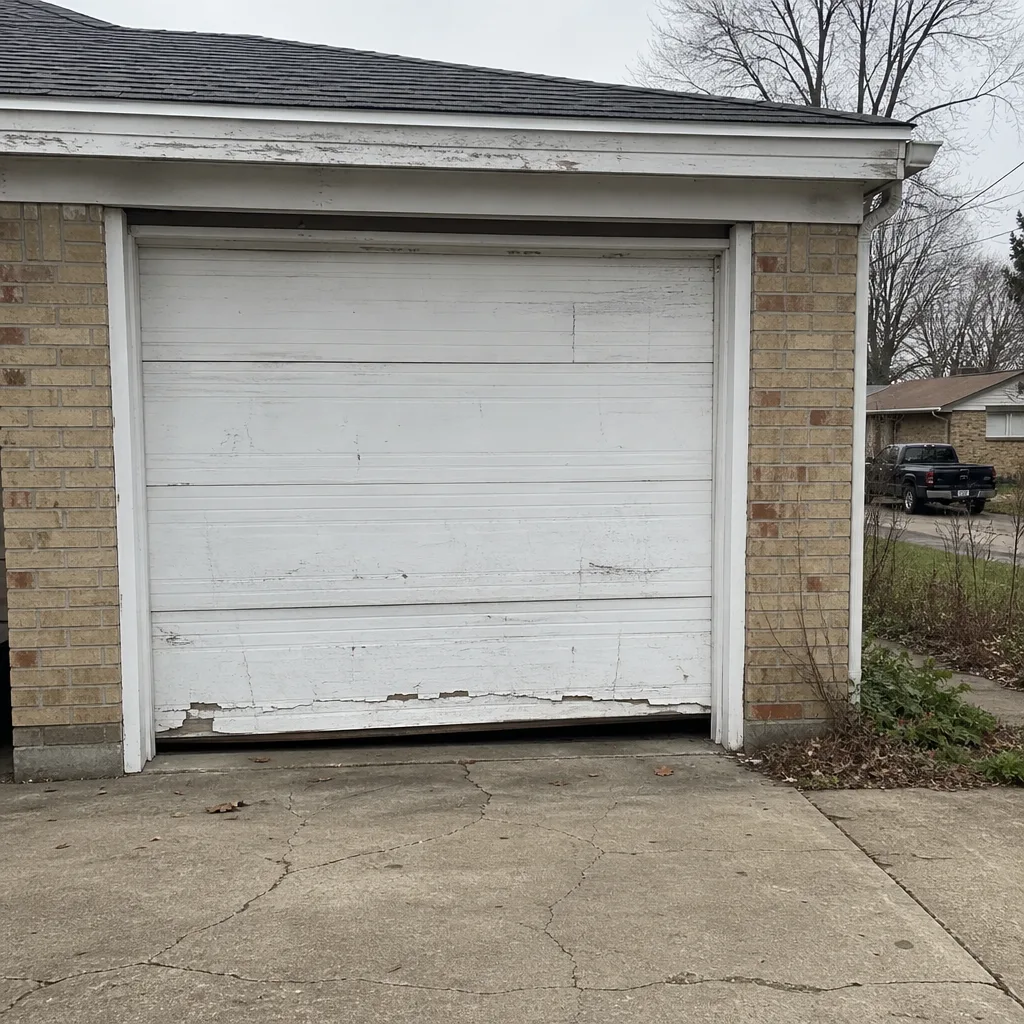 Before
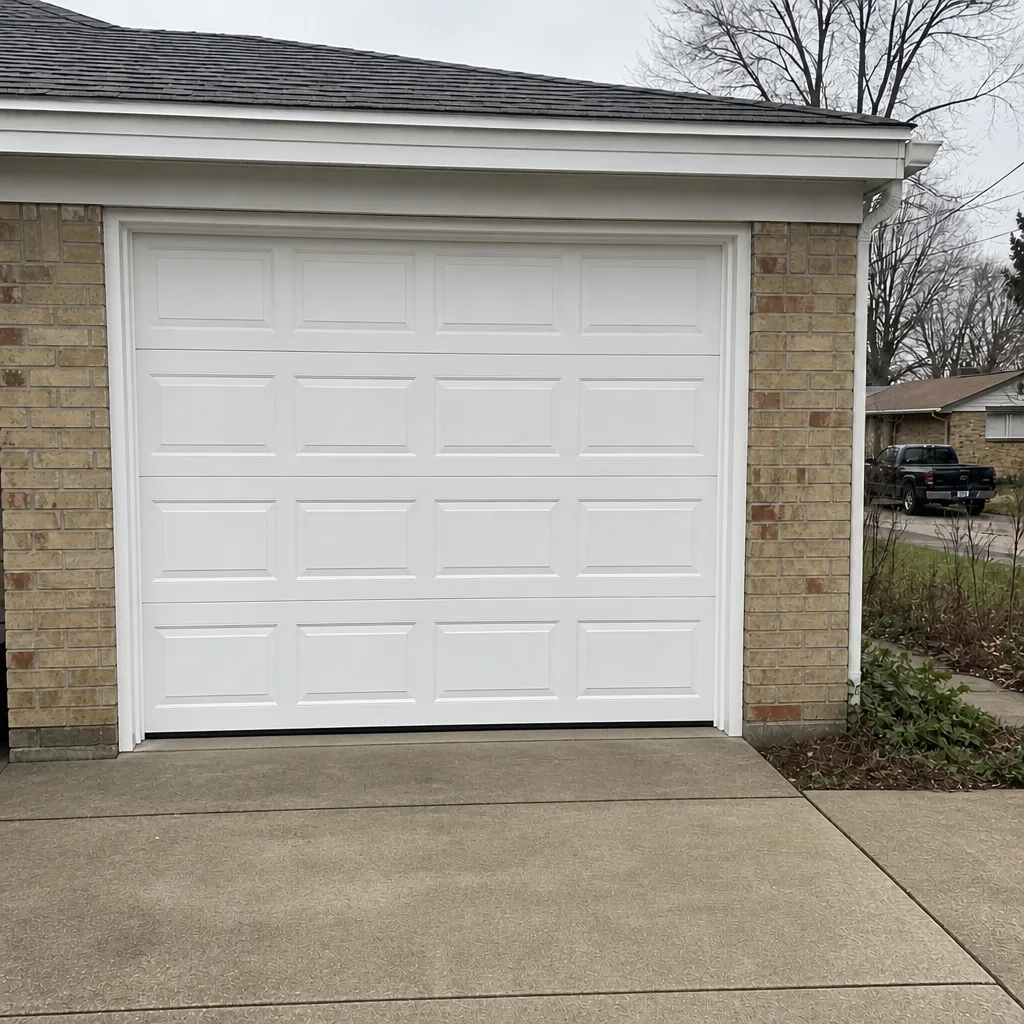 After
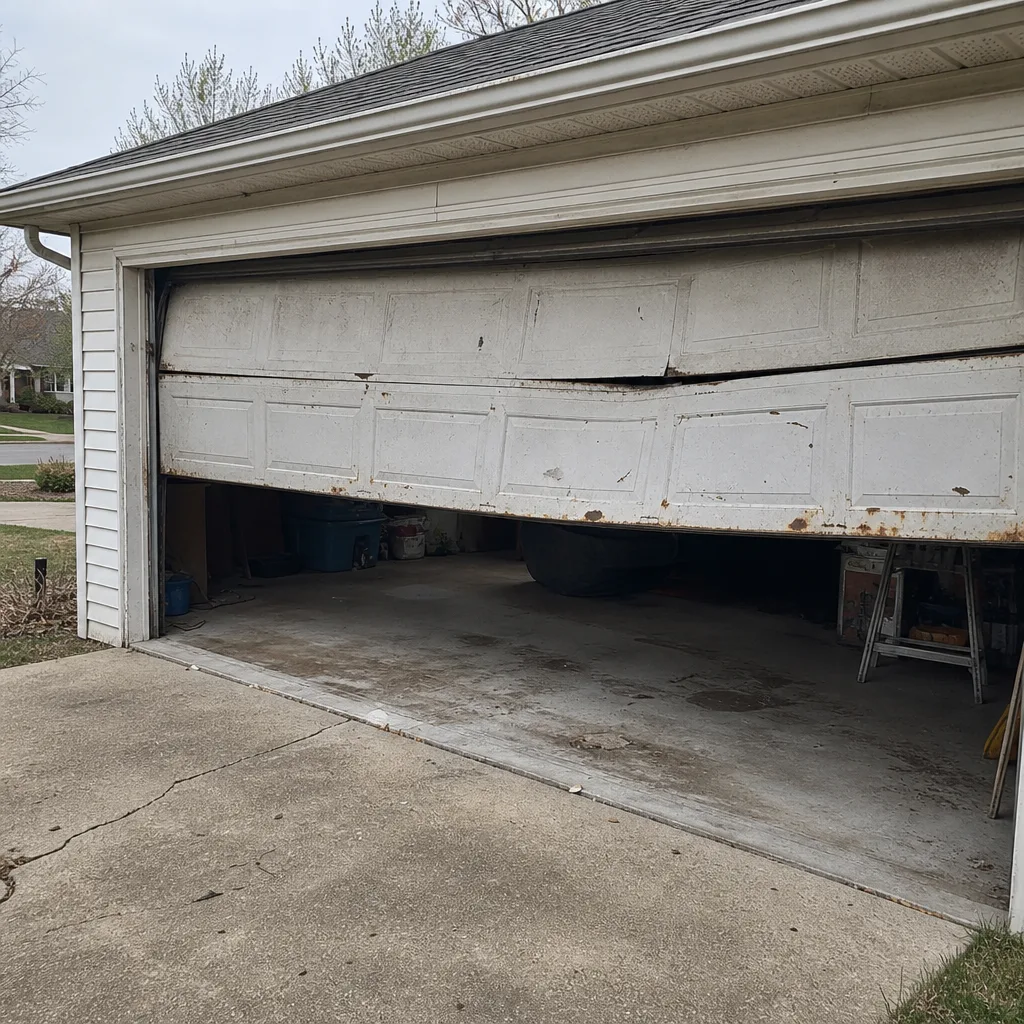 Before
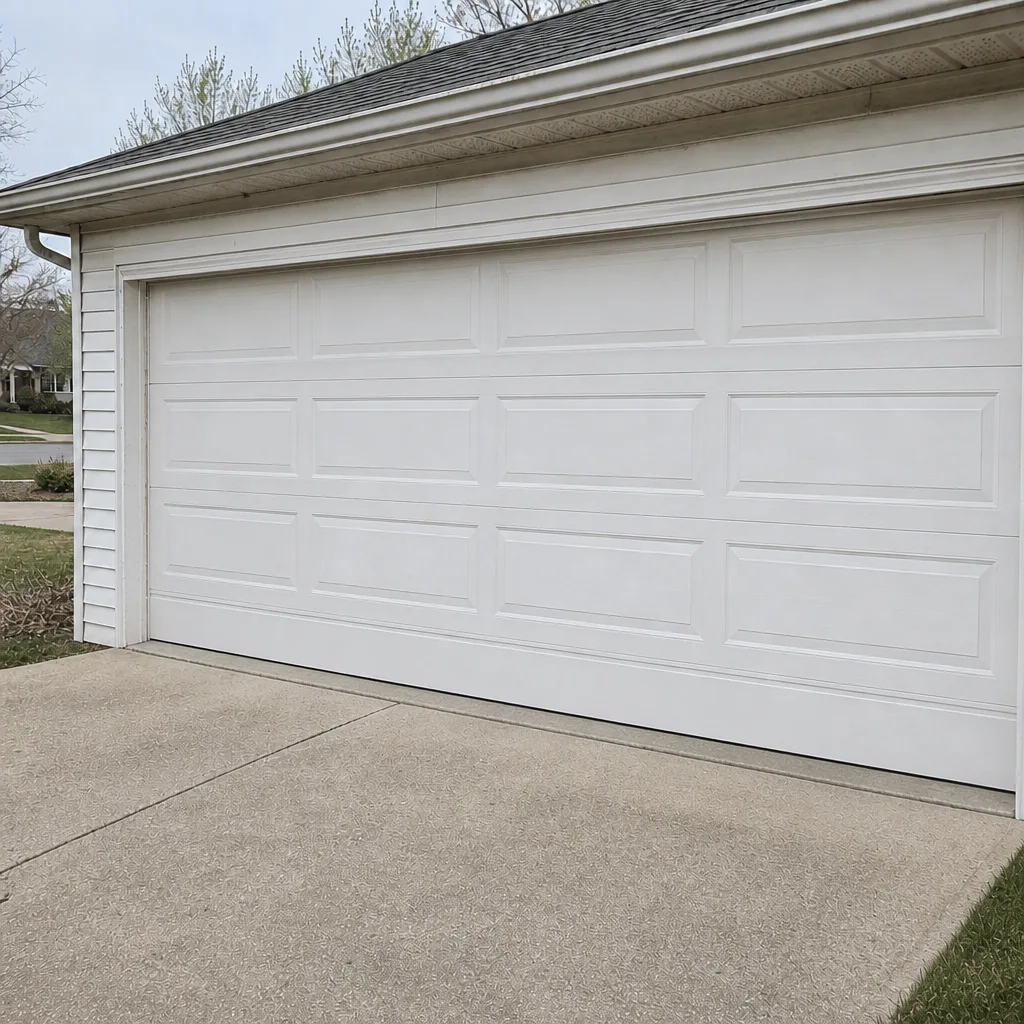 After
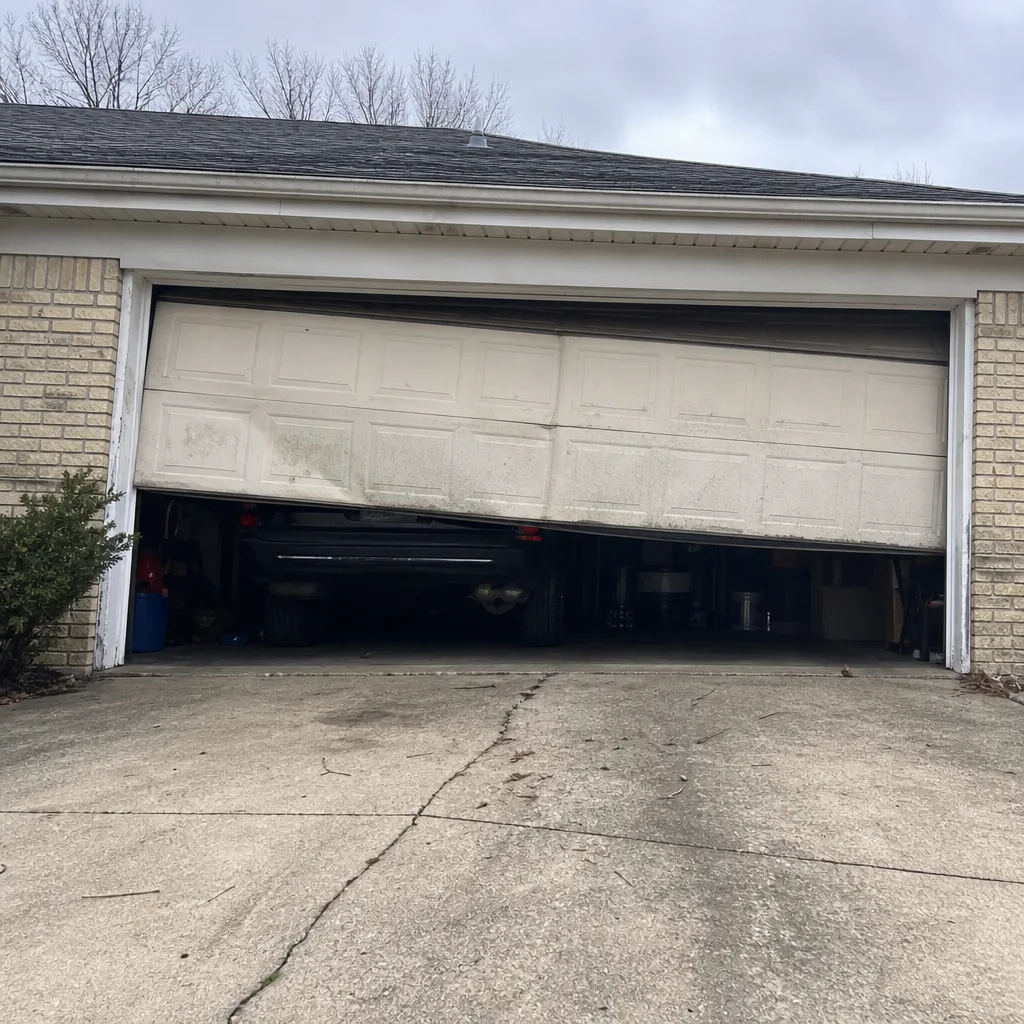 Before
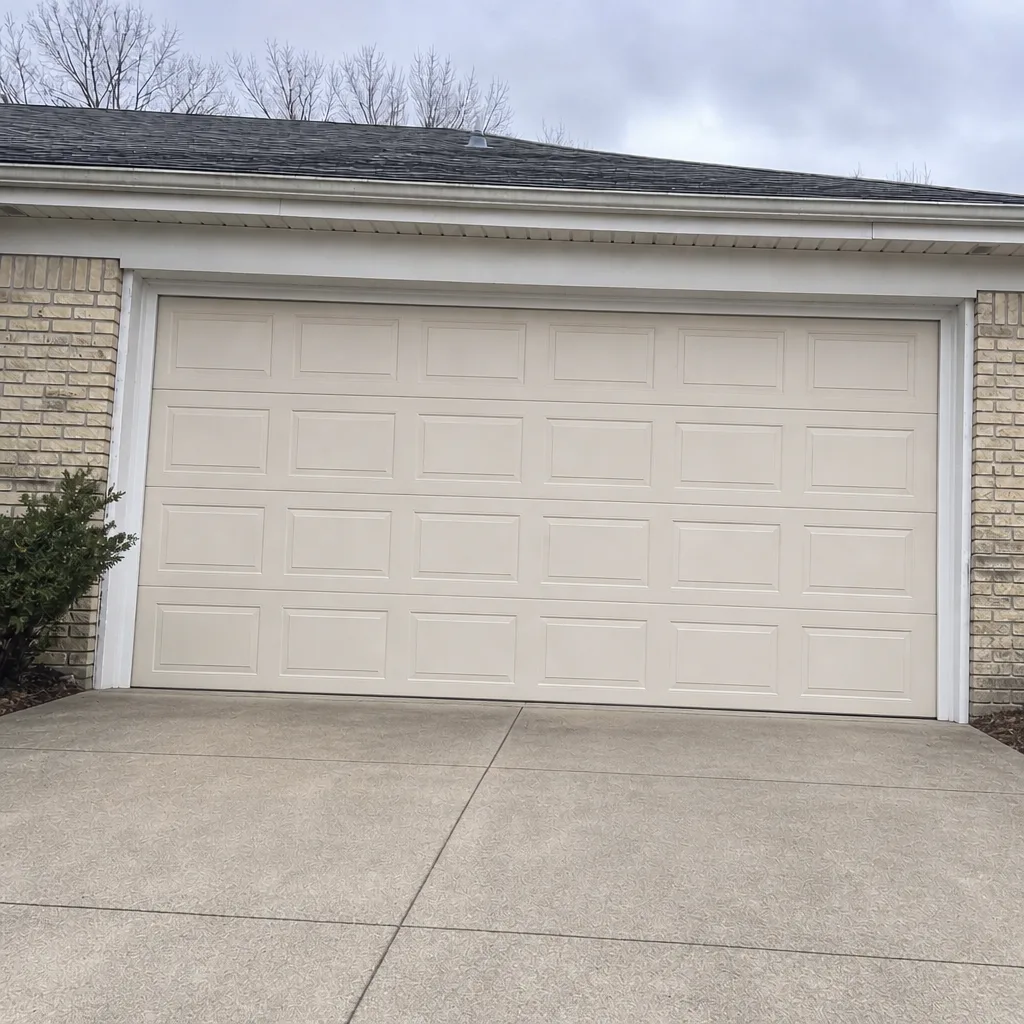 After
When to Call a Professional
Call a specialist when the door won’t open or close, when you hear a loud bang from the garage, when the door hangs crooked, when a cable looks frayed, or when the opener reverses or strains. Those are the cases where continued use risks damage to the motor or, worse, injury from the counterbalance system. A tune-up is the right call when the door is noisy or stiff but still cycling. A planned replacement is the right call when repairs stack up on an older door. For all of these, Garage Door Repair Nora offers free estimates in Nora – call (833) 468-3650. We quote and agree the price before any work starts, so there’s no surprise on the invoice.
Frequently Asked Questions
Most garage door repairs in Nora fall in a typical range depending on the part and the door type, and the written quote you receive is the final price. Spring replacements in particular are priced per spring, and a matched pair replaced together costs roughly double a single spring. Call (833) 468-3650 for a free estimate on your specific door.
For repair calls, yes – we offer same-day service with fast dispatch from 7am to 7pm in Nora and can often get a technician out the same day. For a new door or opener, the work is measured and scheduled, so we’ll book an appointment that fits your availability rather than promise a same-day install. Call (833) 468-3650 to check today’s availability.
No – the price is quoted and agreed before any work starts, so the written estimate sets the final bill. If a specialist finds something different on arrival, they’ll explain the options and get your approval before proceeding. Call (833) 468-3650 to schedule a free estimate.
The local professionals we connect you with are licensed and insured as their state requires, and every technician dispatched is a garage door specialist rather than a multi-trade contractor. Our technicians have up to 12 years of experience. Call (833) 468-3650 with any questions about the pro assigned to your job.
Replace both. Springs are installed as a matched pair and wear together, so if one has failed in a Nora freeze-thaw winter, the other is at nearly the same point in its life. Replacing both now avoids a second service call next season and keeps the door balanced. A specialist will confirm the pair on inspection – call (833) 468-3650 for a quote.
A well-maintained door typically lasts many years, but Indiana’s freeze-thaw cycles wear springs and seals faster than in milder climates. Annual tune-ups and heavier cycle-rated springs stretch the life of the system. If your door is showing sagging, widespread panel damage, or repeated repairs, a specialist can tell you whether to repair or replace – call (833) 468-3650 for a free assessment.
The Bottom Line
The biggest takeaway from this guide is that your garage door is a system, and treating it as one is what keeps it working through an Indiana winter. Repair the part that failed, but diagnose the whole mechanism at the same time. Prioritize insulation and a good bottom seal if you’re buying for a Nora home. Read your door’s age and condition honestly instead of reacting to the morning it breaks. And for spring or cable work, call a specialist – the danger isn’t worth the savings on the rest. Our technicians have up to 12 years of experience working on LiftMaster, Chamberlain, Genie, Raynor, and other major brands, and we’ll give you a straight answer on whether you need a repair, a tune-up, or a new door.
Call (833) 468-3650 for a free estimate in Nora, with upfront pricing and the price agreed before any work begins.
Written by the team at Garage Door Repair Nora.