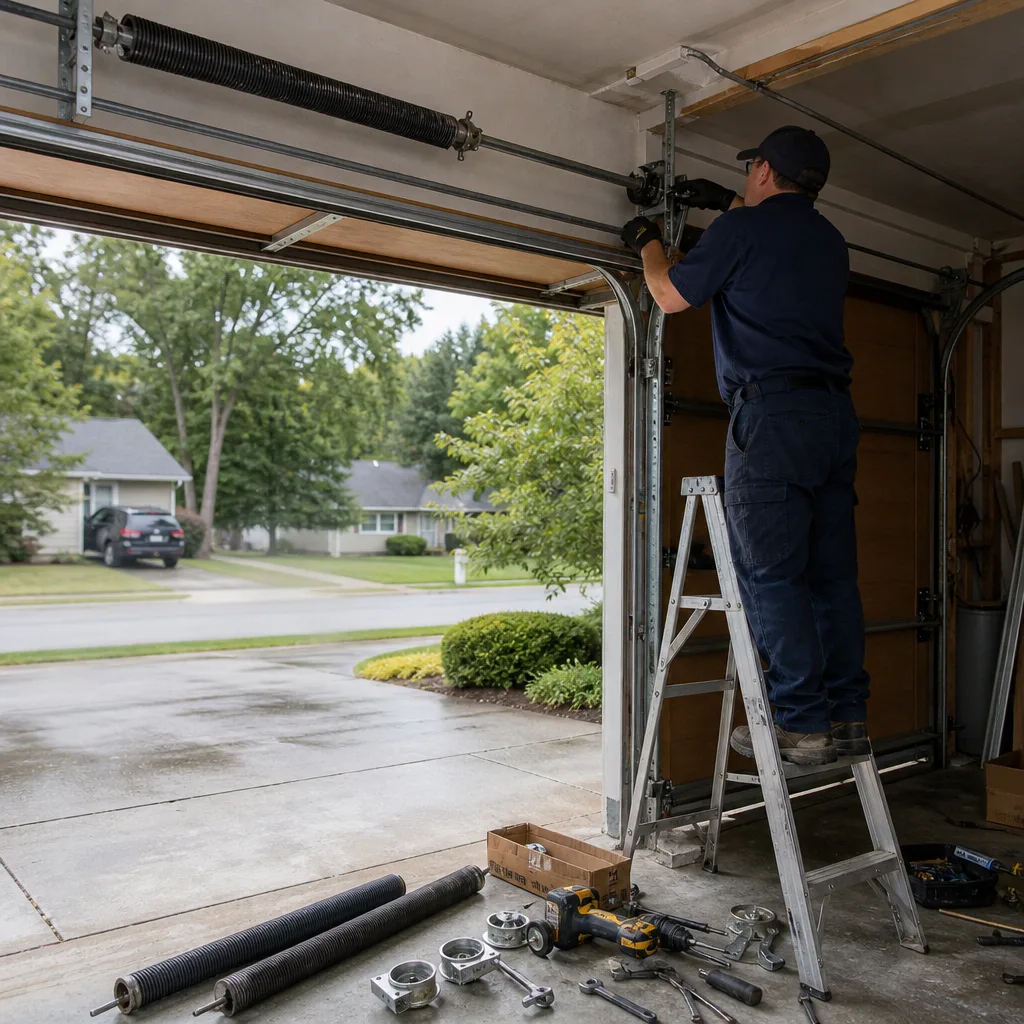
Last updated November 20, 2026
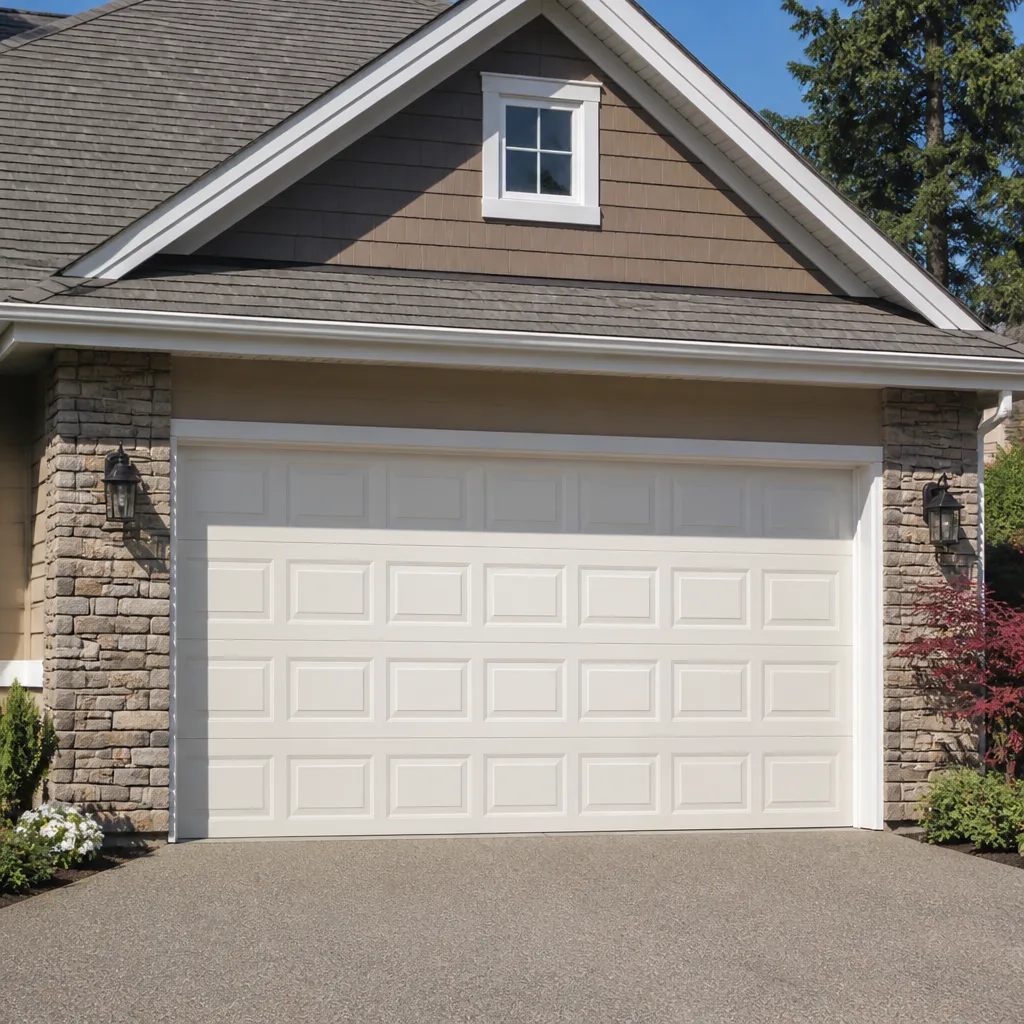 Raised-panel steel
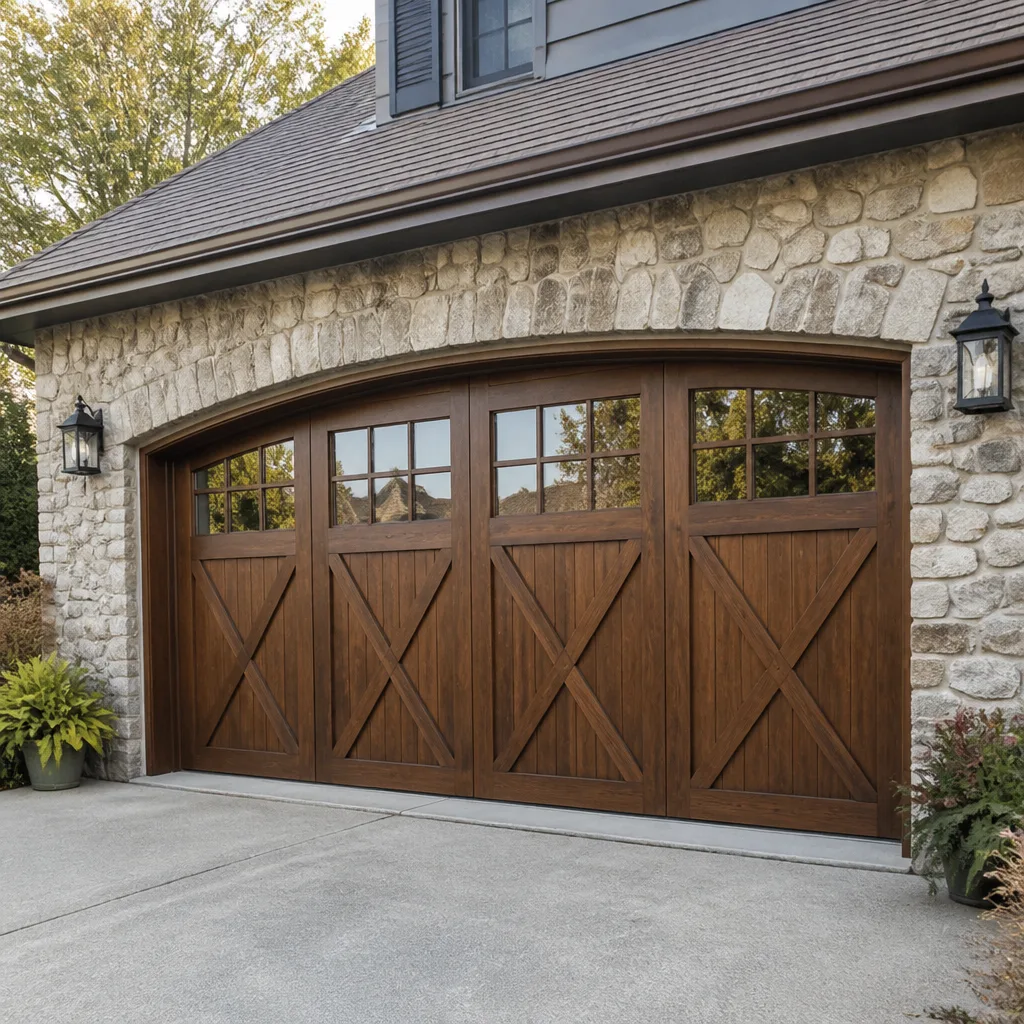 Carriage house
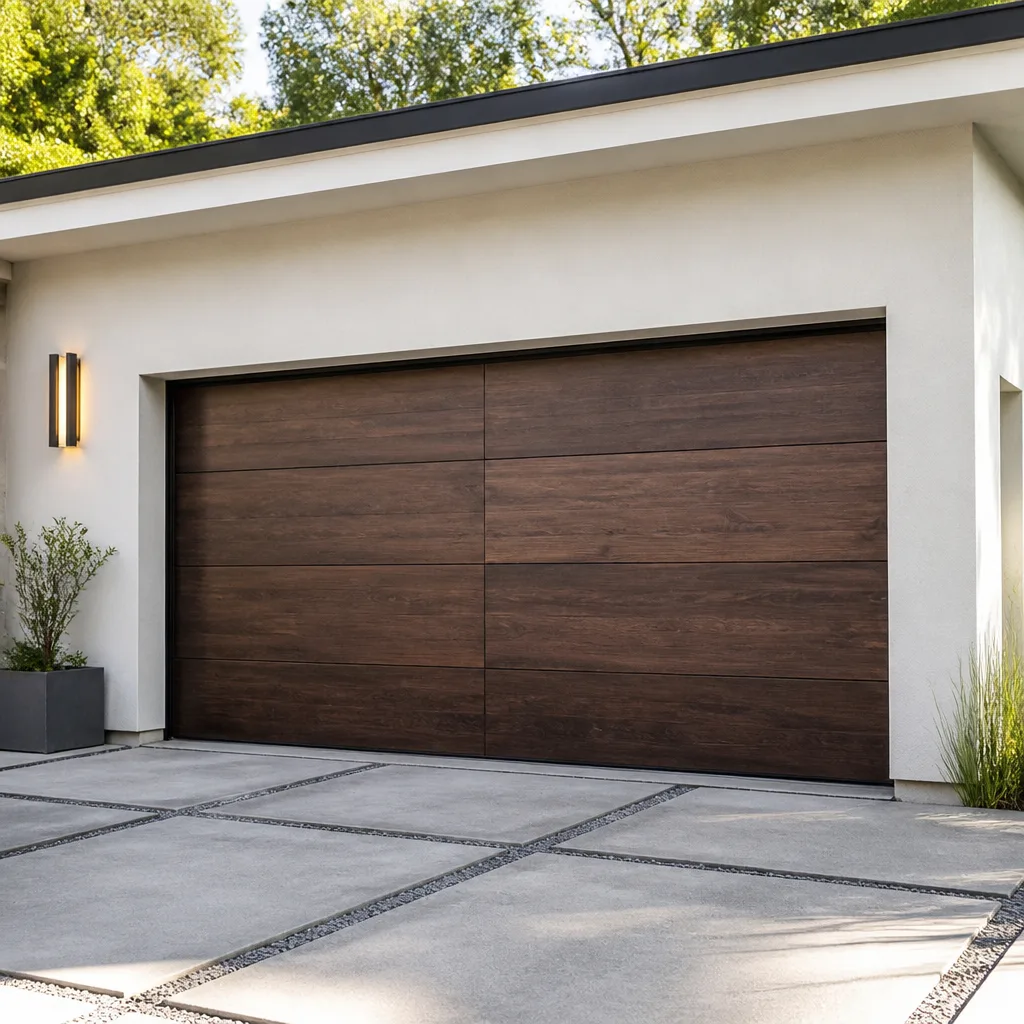 Modern flush
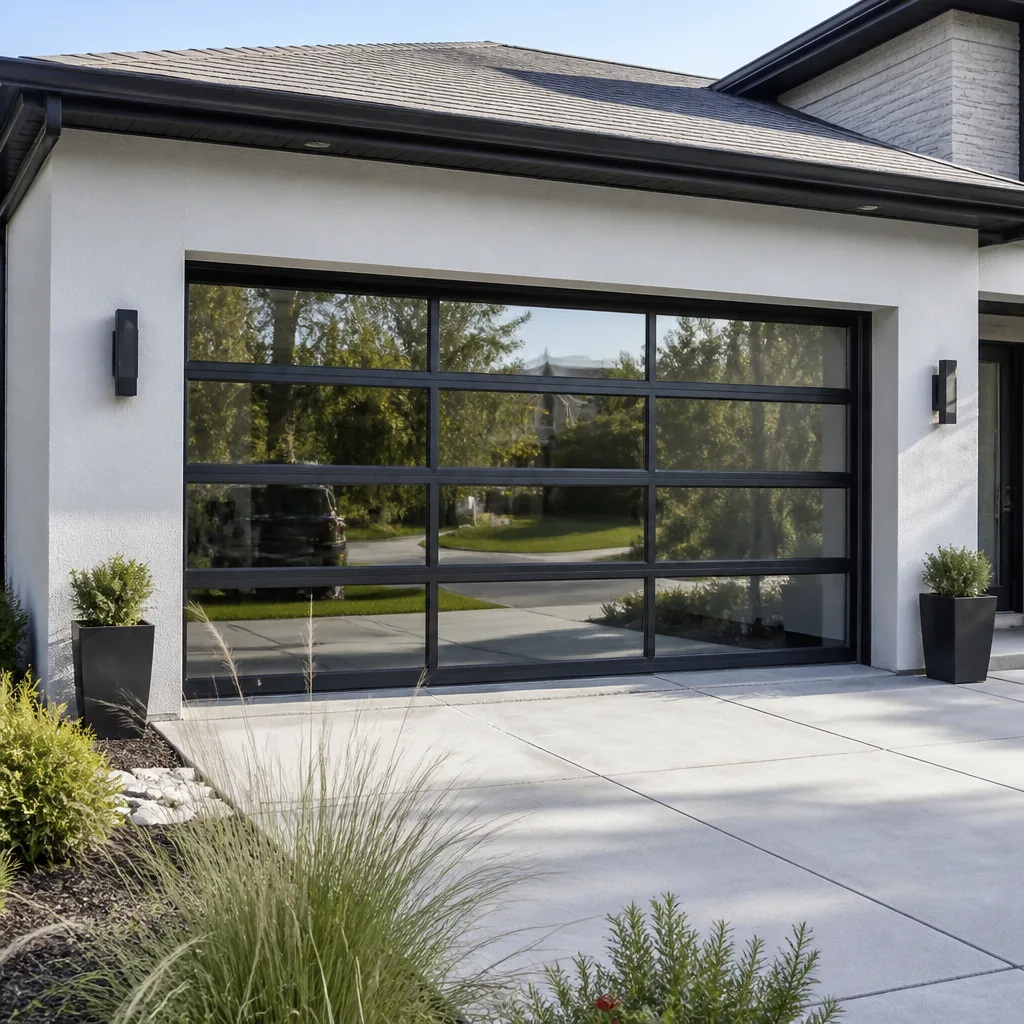 Full-view glass
 LiftMaster openers
 Chamberlain openers
Full 25-point door and opener safety check with every visit - springs, cables, rollers, tracks, and your LiftMaster or Chamberlain opener included
You get a price before we start. It does not change when the pro arrives.
Get your free estimateGarage Door Permits, Codes & Inspections in Nora, IN: What You Need to Know
Most homeowners in Nora assume a garage door replacement is a simple swap with no paperwork. That’s the part of the job nobody explains clearly. Some garage door work in Marion County needs a building permit, some genuinely doesn’t, and the line between the two depends on what’s actually changing behind the drywall. The trouble shows up years later, when a buyer’s inspector flags a header modification from a previous job and the paperwork trail goes cold. This guide walks through when a permit applies, how the Indiana Residential Code shapes door sizing and fire separation, what an inspector actually looks at, and how to clean up old unpermitted work. It’s written for Nora homeowners who want straight answers before they hire anybody.
Quick Answer
In Nora and the rest of Marion County, a standard garage door replacement where the opening size and structural framing stay the same typically does not require a building permit, but any job that changes the opening size, alters or replaces the structural header, or touches the fire-rated wall between an attached garage and living space usually does. The permit obligation belongs to whoever contracts the job, so ask upfront who pulls it and who pays for it. When in doubt, call the City of Indianapolis Department of Business and Neighborhood Services and describe the exact scope.
Styles & brands we work with
- Raised-panel steel
- Carriage house
- Modern flush
- Full-view glass
- LiftMaster openers
- Chamberlain openers
Table of Contents
- When does a garage door job actually need a permit in Marion County?
- How does the Indiana Residential Code apply to garage doors?
- What happens during a garage door inspection?
- How do you permit work a previous owner did without permits?
- What should you ask your contractor about permits?
- What does permit-related garage door work cost in Nora?
- How does Nora’s climate affect doors and inspections?
- Common mistakes to avoid
When does a garage door job actually need a permit in Marion County?
Marion County issues a building permit when the work involves the structure of the house or changes how it’s used. A garage door is an appliance hung on a framed opening. The door itself isn’t structural; the header above it is. That’s the line most homeowners miss.
Here’s the practical breakdown:
- Door-for-door replacement (no permit usually required): Same width, same height, same tracks and spring configuration. You’re pulling out a Genie-compatible door and putting back another one in identical dimensions. This is the routine case in neighborhoods like Nora Heights and the streets off 86th and Westfield Boulevard.
- Changing the opening size (permit required): Widening from a single to a double, raising the header for a taller door, or converting a wall section to add an opening. Each of these changes the load path, which is a structural change.
- Replacing or modifying the header (permit required): If the beam above the door has sagged, cracked, or needs to be replaced, it’s a structural repair and gets inspected.
- Fire-rated wall work (permit required): Any new penetration, repair, or modification to the wall separating an attached garage from the house. This is where the code is strictest.
- Electrical for a new opener on a new circuit (permit usually required): If the opener needs new wiring run from the panel, that’s electrical work and typically needs its own permit.
- Opener swap on existing wiring (no permit usually required): Replacing a LiftMaster with a Chamberlain or a Genie on the same outlet and circuit is a plug-and-play swap.
These thresholds are the standard framing of the Marion County code process, but the city is the final word. Before any job where the scope is fuzzy, a homeowner should call the Department of Business and Neighborhood Services and describe exactly what’s changing. Fifteen minutes on the phone settles the question.
How does the Indiana Residential Code apply to garage doors?
Marion County adopts the Indiana Residential Code, which is based on the International Residential Code, and that’s what a garage-related inspection is measured against. Three parts of the code shape almost every garage door job in Nora.
Door sizing and the rough opening
The code measures the rough opening, not the finished door. A standard single is a nominal 8 or 9 feet wide; a standard double is 16 feet. If the rough opening is being built to those dimensions, the framing picture is straightforward. If a homeowner wants an 18-foot door where a 16-foot opening exists, that’s a header replacement, and that’s a permit and an inspection.
Header loads
The header has to carry the roof and wall load above the opening. A door replacement that leaves the header untouched doesn’t touch that calculation. A door replacement that changes the opening does. An inspector looks at header size, species, span, and the connection to the jack studs. A sagging header discovered during a Clopay or Amarr installation is a repair the installation can’t proceed around, and it’s the reason a “simple install” sometimes becomes a framed repair job with a permit attached.
Fire-rated separation between garage and house
This is the part of the code that homeowners underestimate. The wall and ceiling separating an attached garage from living space are required to resist fire for a period set by the code, which means any drywall repair in that assembly has to restore the rating. A new door or opener installed on a garage with an attached house doesn’t change that wall, but any work that pierces it does. Insulated doors don’t replace that separation; the wall does.
For a full picture of how installation fits the code, our garage door installation page covers the measure-first, order-second workflow that keeps the process clean.
What happens during a garage door inspection?
The inspector isn’t checking whether the door looks nice. They’re checking that the structure around the door performs the way the code says it should, and that the safety devices on the door work. Here’s what a typical inspection covers:
- Header and framing. Header size, span, and fastening. Jack studs and king studs. Any modification to the load path.
- Rough opening dimensions. Confirming the built opening matches what the permit describes.
- Fire-rated assembly. Drywall thickness and taping at the garage-to-house wall, plus any penetration from a new opener, switch, or light fixture.
- Door balance and spring tension. The door should hold position at the halfway point, and the spring system should be properly installed. This is also the point where an inspector will refuse to inspect a job where the springs are exposed or incorrectly installed.
- Safety reversal. The door must reverse when it hits an obstruction, and the photo-eye safety sensors must be mounted and working. This applies to any opener, whether it’s a Wayne Dalton, a Chamberlain, or a Craftsman.
- Labeling and attachment. Door and opener labels, plus confirmation the door is fastened to the framing per manufacturer instructions.
Inspections in Marion County are scheduled by the permit holder, and usually scheduled for the framing stage (if the header was changed) and again after the door is hung. Homeowners who skip the second inspection sometimes find the permit never closes, which is the problem at resale.
For day-to-day repair work that isn’t a structural change, our Garage Door Repair Nora page covers what we do when a door is failing on the mechanical side rather than the structural side.
How do you permit work a previous owner did without permits?
You can permit old work retroactively in Marion County, and it’s a much easier process than most homeowners fear. The contractor or homeowner pulls an after-the-fact permit, describes what exists, and the city inspects the current condition. If it meets code, the permit closes. If it doesn’t, you get a specific punch list of what has to change.
The steps look like this:
- Pull the history. Request a permit record for the address from the city. If nothing was filed for the garage work, that confirms it was done without a permit.
- Take measurements. Record the opening size, the door model, the header size, and the spring type. Photographs help.
- Apply for an after-the-fact permit. The city reviews the described scope and schedules an inspection.
- Correct any findings. Common findings are a header that’s undersized for the span, missing fire-rated drywall on the shared wall, or unlisted safety sensors on the opener. A few of these are surprisingly quick fixes.
- Close the permit. You now have a record the title company and the next buyer’s inspector can find.
When does it matter enough to bother?
Three situations make retroactive permitting worth the effort. First, a sale: buyers and their inspectors look for permit history, and an unpermitted header is one of the things a title search surfaces. Second, an insurance claim: if a fire starts in the garage and the fire-rated wall has been compromised, the claim adjuster will ask whether permits exist. Third, a future modification: a contractor quoting a new door on an unpermitted opening will often mark up the price to cover the research and risk.
If none of these apply and the door works, retroactive permitting is optional. Many Nora homeowners choose to file for a permit anyway because the record is worth the small cost.
What should you ask your contractor about permits?
Most permit disputes come down to who pulls and who pays. The cleanest approach is to settle it in writing before the job starts. Ask these five questions when you’re comparing quotes. A good contractor answers all five without flinching.
- “Does this job need a permit?” The answer should reference the actual scope. “Probably not” is a bad answer. A clear breakdown of what’s changing and whether it crosses the threshold is the right one.
- “Who pulls the permit?” Either the contractor pulls it under their name and license, or the homeowner pulls it as a homeowner permit. Contractors who do this work regularly pull their own because it keeps the inspection schedule in their control.
- “Who pays the permit fee?” Some contractors include it in the quote, some bill it separately, some ask the homeowner to cover it directly. Any of those arrangements is fine as long as it’s clear before the job.
- “Who’s the contact for the inspection?” The permit holder schedules the inspection, and the homeowner should have that contact on hand in case the inspector arrives and the contractor is not on the job site.
- “What happens if the inspection fails?” A serious contractor tells you they’ll correct any findings at their cost if the work didn’t meet code. If the answer is vague, that’s a signal.
One more thing matters on the mechanical side. A permit is about structure, not about whether the springs were installed correctly. Ask who is actually hanging and adjusting the door and springs. That’s the highest-skill part of the job, and it’s the part that gets inspected by a licensed technician, not a general handyman.
What does permit-related garage door work cost in Nora?
A typical garage door replacement in Nora runs in the range below. Permit fees, when required, are separate and modest compared to the door itself. Prices are estimates; the written quote sets the final price.
- Standard single door replacement, no structural change: typically $700 – $1,600, depending on door model and whether the tracks and hardware are reused.
- Standard double door replacement, no structural change: typically $1,200 – $2,900.
- Opener replacement on existing wiring: typically $250 – $550.
- Spring replacement (single spring; matched pair usually replaced together so a pair costs about twice): typically $180 – $340 per spring.
- Header repair or replacement, with permit: typically $900 – $2,400 depending on the span and the framing scope.
- Fire-rated wall repair, with permit: typically $400 – $1,200 depending on the size of the penetration and finish.
- After-the-fact permit and inspection (old unpermitted work): typically $150 – $500 in permit fees, plus any corrections.
Two details about this range deserve a second look. First, a certificate of occupancy or final inspection is not part of the door price; it’s a separate line item on the permit. Second, a permit-related structural repair often changes the door recommendation: a header repair on a house that needs a new Amarr or Wayne Dalton door is usually the moment to consider whether a taller door makes sense for the opening, since the framing is already exposed.
Our garage door repair page explains how we handle the repair-only side of this work, and it’s worth reading if the permit question has raised doubts about an older door.
How does Nora’s climate affect doors and inspections?
Nora sits in central Indiana, which means a real four-season climate: hot, humid summers, cold winters with hard freezes, and freeze-thaw cycles through late fall and early spring. That matters for garage doors and for the inspections attached to them.
Homes here typically go through dozens of freeze-thaw swings each winter. A garage slab moves, a header can develop a hairline crack, and a door that was perfectly aligned in October can bind by January. When a door needs to be replaced because the structure above it has shifted, the repair becomes a permit job. If the door is being replaced only because the finish has weathered, that stays a straightforward replacement.
Summer brings humidity that swells wood-framed doors and works the springs harder. The springs themselves are the safety-critical part of any garage door in a central Indiana climate; their tension is high, and the parts wear at a predictable rate. A door that came from the factory with a spring rated for a moderate number of cycles will eventually fail, usually at the worst time. That’s a repair call, not a permit matter, and it’s why we recommend having the springs checked any time the door is being worked on.
Another local factor: many Nora neighborhoods were built in distinct waves, which means a garage built in one part of the neighborhood may have a different opening convention than a garage two streets away. A door quote that doesn’t include a physical measure is a red flag. Ordering a door sight-unseen to a nominal size is how you end up with a return and a permit amendment.
Nora homeowners who need a door diagnosed rather than replaced can call us to look at it. Repairs and inspections move quickly; new installations are measured, ordered, and scheduled. For a quote on the repair side, our garage door opener repair page covers what we handle when the problem is the opener rather than the door.
Common Mistakes to Avoid
- Assuming a permit is never needed. Most door replacements in Nora don’t require one, but a header change, a fire-wall repair, or a size change does. Skipping the permit on structural work leaves the problem on the homeowner, not the contractor.
- Paying a contractor who “pulls it later.” The permit should be pulled before the work starts, not after. A contractor who promises to file it retroactively is putting the scheduling and the risk on you.
- Not confirming who pays the permit fee. It’s a small number compared to a door, but the argument it starts mid-job is real. Get it in the written quote.
- Ordering a door without measuring the rough opening. Nominal sizes are not exact. An opening that’s an inch off will require a return, a new order, and sometimes a permit amendment.
- Modifying the fire-rated wall without restoring the rating. Any drywall repair between an attached garage and living space has to restore the fire separation. Standard drywall patches don’t always do that.
- Ignoring a spring that’s been replaced by a previous owner. If you don’t know what spring is on the door, have it identified. A mismatched spring can over-stress the door and the opener, and it’s the first thing an inspector looks at when they check for a marked spring.
- Skipping an inspection because the door “looks fine.” An inspection is a code evaluation of the assembly, not a decorative review. A door that looks fine can still have an undersized header, a missing safety sensor, and no permit history.
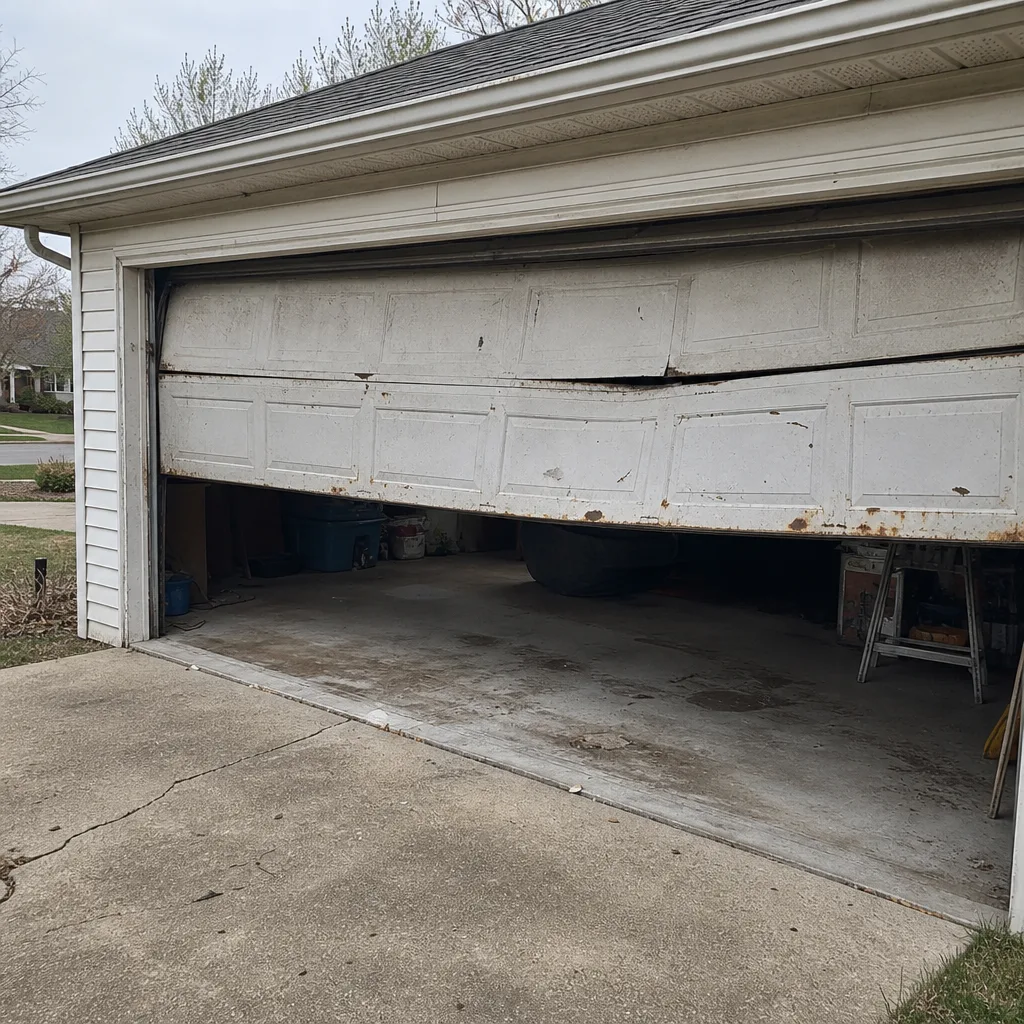
See the difference
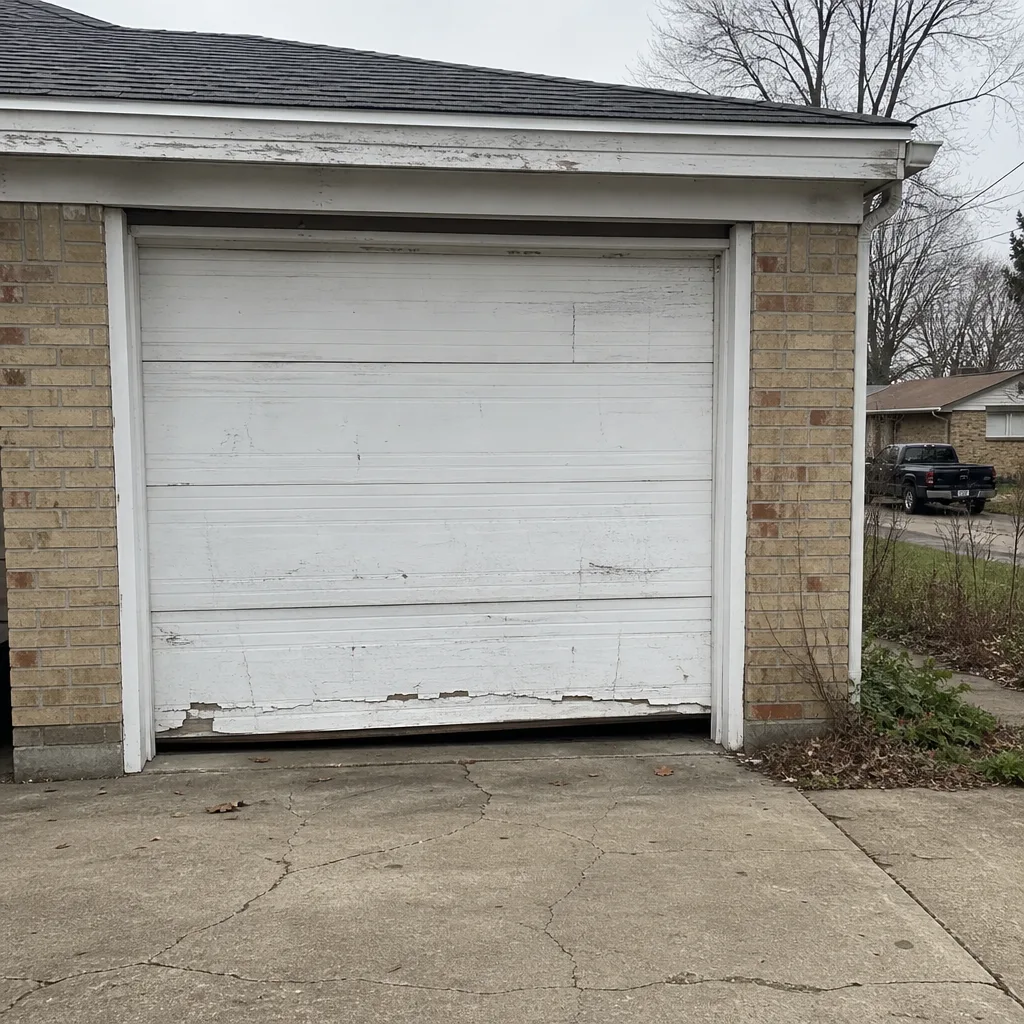 Before
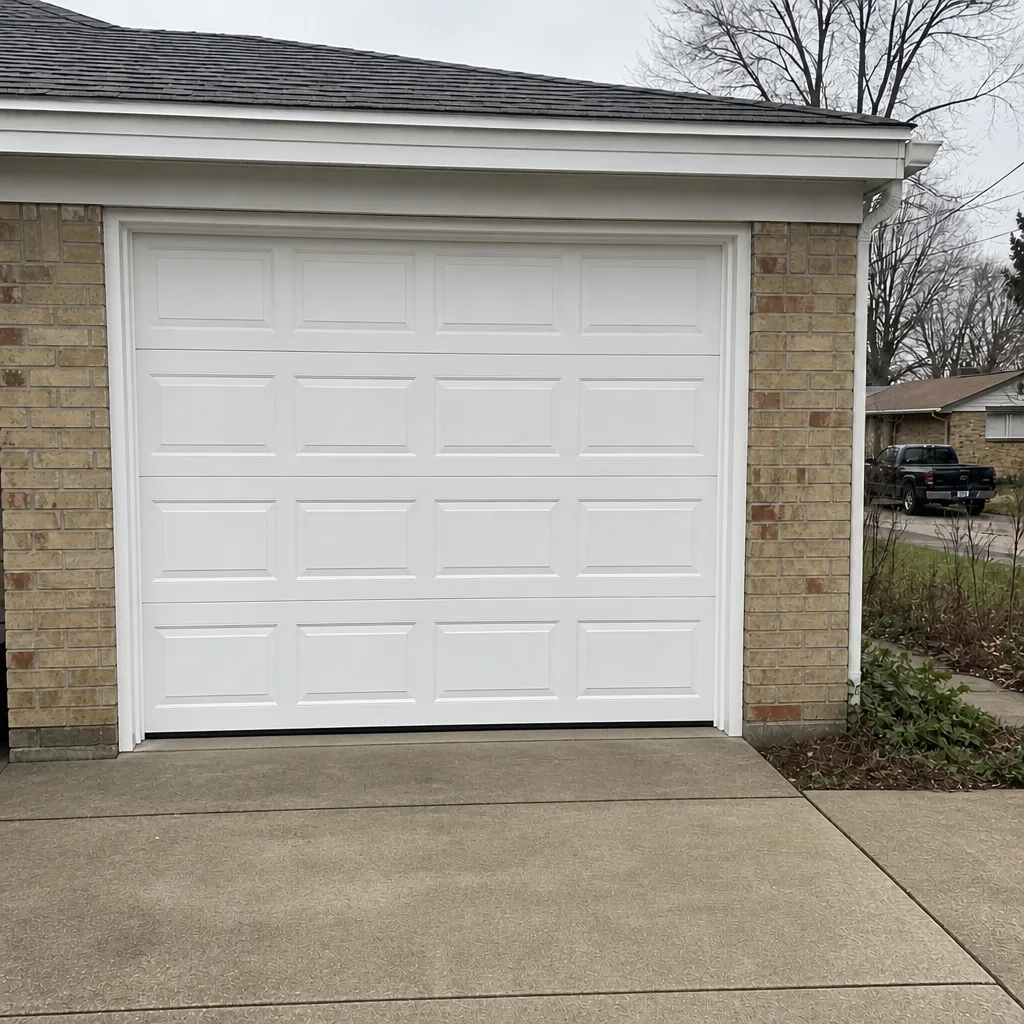 After
 Before
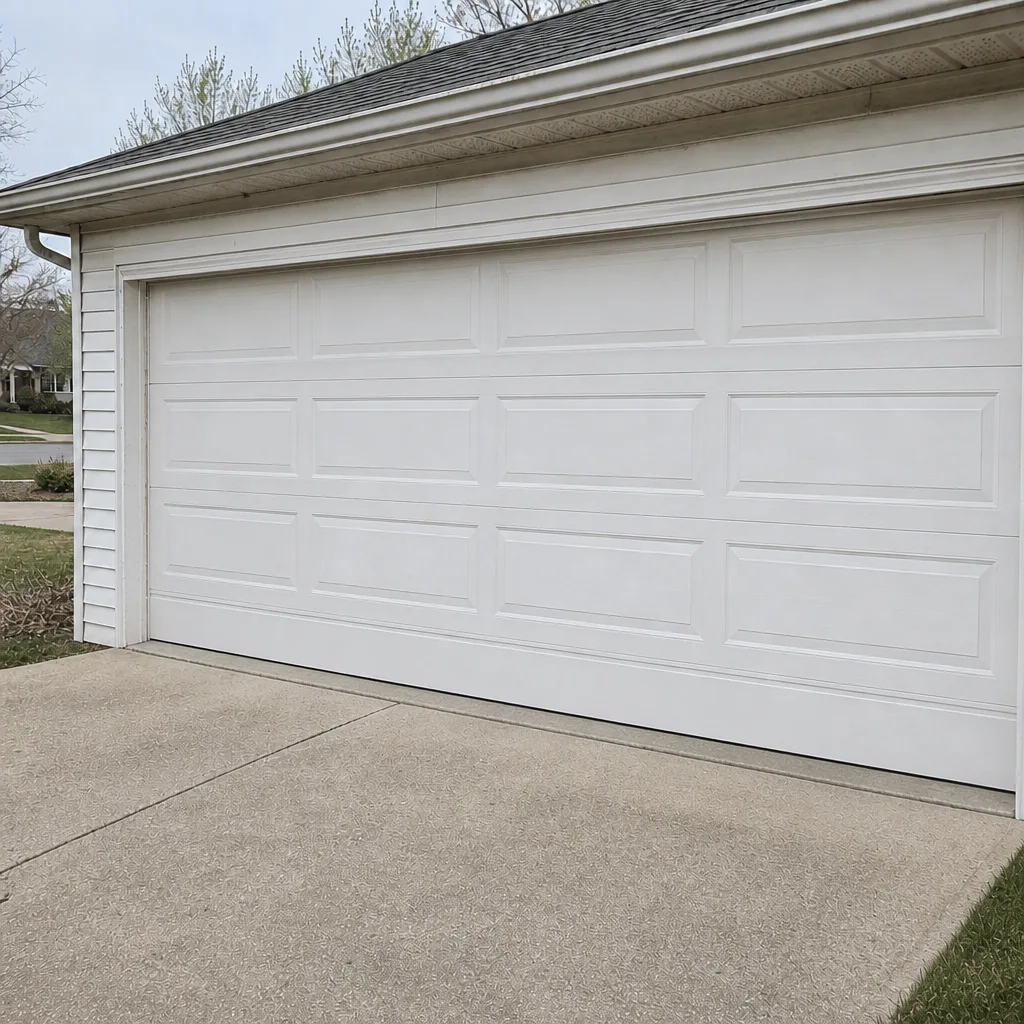 After
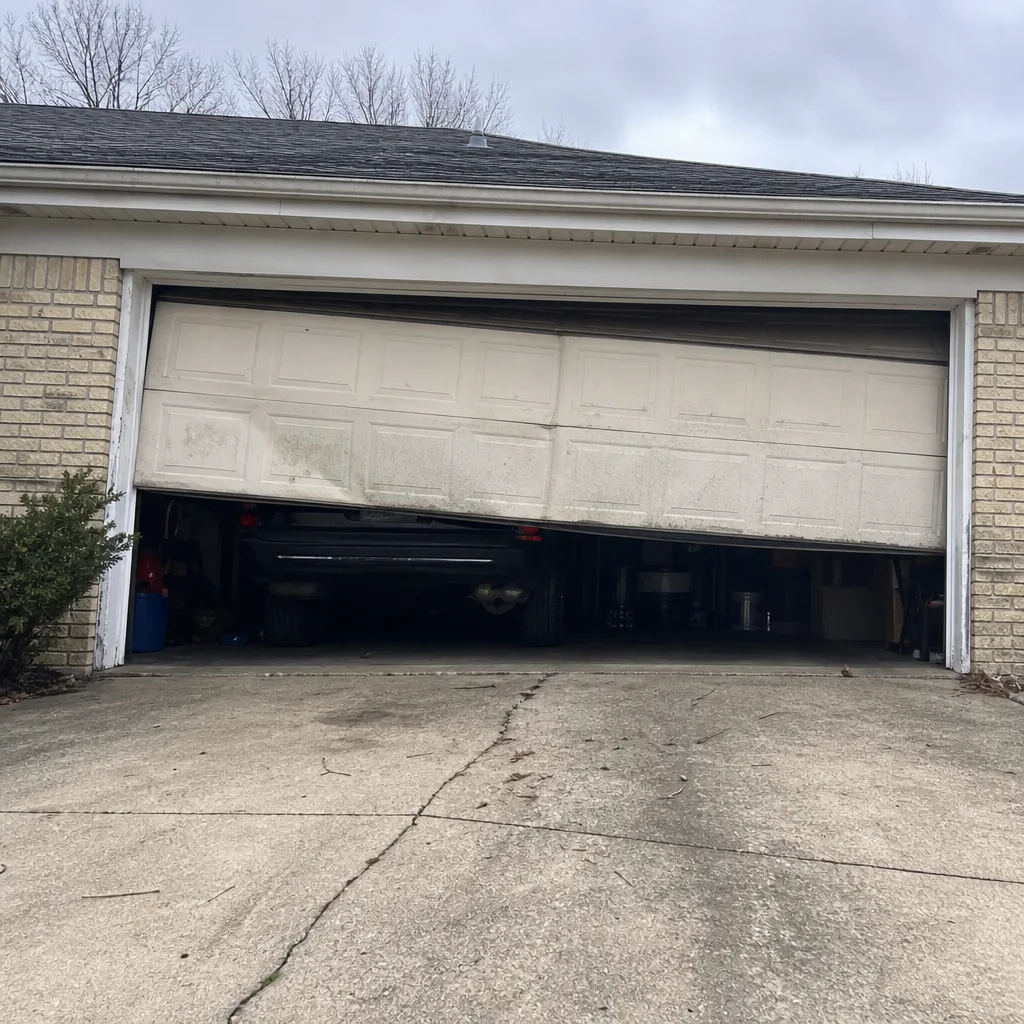 Before
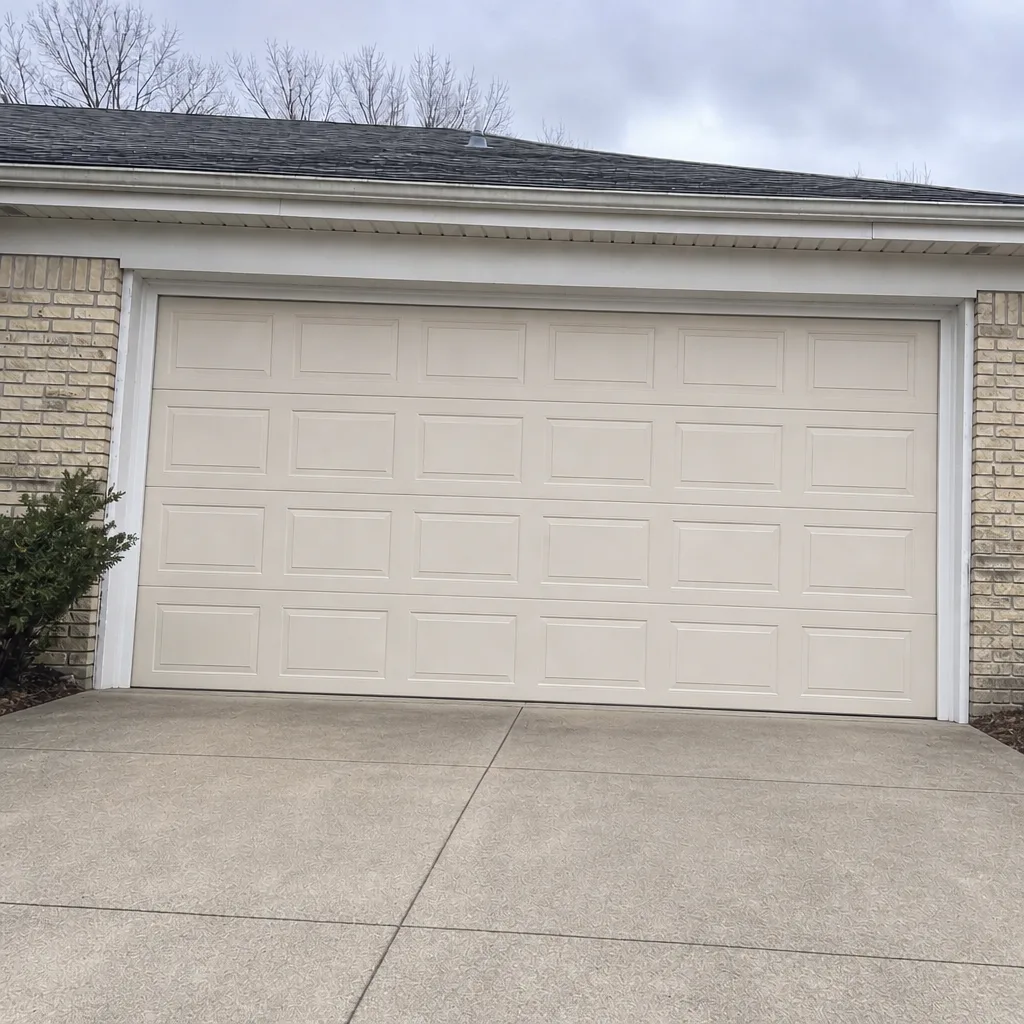 After
When to Call a Professional
Call a professional for anything that involves the spring system, the torsion assembly, or the electrical side of an opener. Those components are under high tension, and the trade has a genuinely high injury rate for a reason. The same is true of anything that opens the structure: header work, opening-size changes, and the fire-rated wall between an attached garage and the house. A missed fastener or a wrong-rated spring is not something you spot by looking.
Repairs and inspections move quickly, and Nora homeowners call us because we work on the brands already in their garage: Clopay, Genie, LiftMaster, Chamberlain, Amarr, Wayne Dalton, Craftsman, and Raynor. Our technicians have up to 12 years of experience, and we can quote a repair or an installation with a free measure. Garage Door Repair Nora offers free estimates in Nora – call (833) 468-3650. We’re available from 7am to 7pm, and we can often come the same day for repair calls.
Frequently Asked Questions
Usually not, if the opening size and the header stay the same. A permit is typically required when the opening changes size, when the header above the door is being modified or replaced, or when the fire-rated wall between the garage and the house is being touched. Call the City of Indianapolis Department of Business and Neighborhood Services to confirm for your specific scope, and then call us at (833) 468-3650 to talk through the door itself.
Typically $180 – $340 for one spring, and a matched pair is usually replaced together, so a pair costs about twice that. The written estimate sets the final price, and we quote it before any work starts. Call (833) 468-3650 for an exact quote – estimates are free.
Likely, yes, for repair calls. We run fast dispatch from 7am to 7pm, and a door that’s stuck or won’t close is the kind of thing we can often get to the same day. If the issue is a new installation or a replacement, that job is measured, ordered, and scheduled, not a same-day fix. Call (833) 468-3650 and describe what’s happening so we can tell you which kind of visit you need.
No, not without your agreement. We quote the job in writing and the price you agree to is the price you pay. If the door turns up something genuinely unexpected, like a cracked header or a missing safety sensor, we tell you before doing the work. The written estimate is the number.
Yes. The local pro we connect you with is licensed and insured as Indiana requires, and every technician on a garage door job is a garage door specialist, not a general handyman. Call (833) 468-3650 and we can confirm the credentials for your job.
You can permit it retroactively in Marion County. Pull the permit record for the address, apply for an after-the-fact permit that describes the current condition, and let the city inspect. If the work meets code, the permit closes; if it doesn’t, you get a specific list of corrections. Whether it’s worth doing depends on whether you plan to sell, need to file an insurance claim, or plan further work on the opening. Call (833) 468-3650 if you’d like help identifying what’s on the door before you start the paperwork.
The Bottom Line
The garage door permit question in Nora has a straightforward answer most of the time: a straight replacement doesn’t need one, and structural work does. The complications come from the middle ground, where the opening size changes, a header has to be replaced, or the fire-rated wall is touched. Those jobs need a permit and an inspection, and the homeowner should confirm in writing who pulls it and who pays for it. When the door has failed mechanically, that’s a repair call, not a permit matter; when the structure has failed, it’s both. Either way, get a free measure and a written price before work starts. Call Garage Door Repair Nora at (833) 468-3650.
Written by the team at Garage Door Repair Nora.