Last updated November 20, 2026
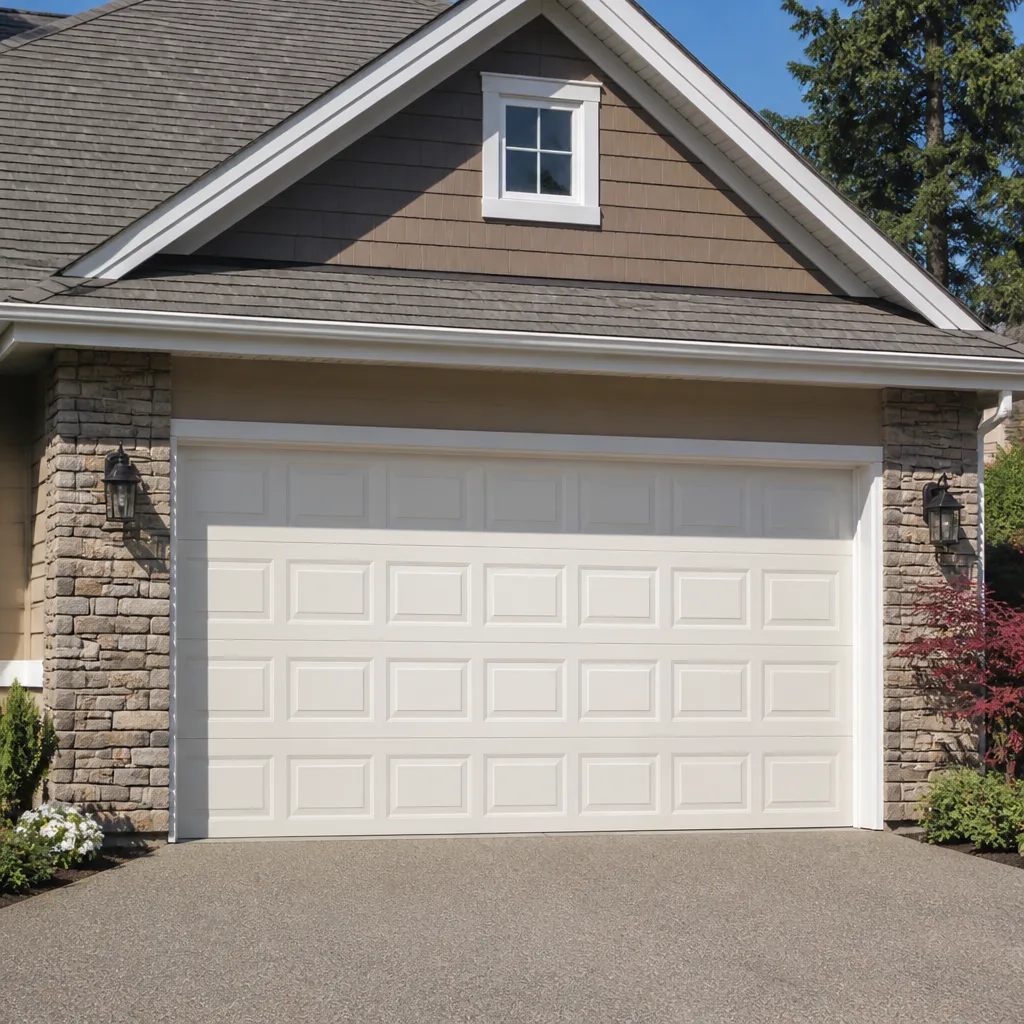 Raised-panel steel
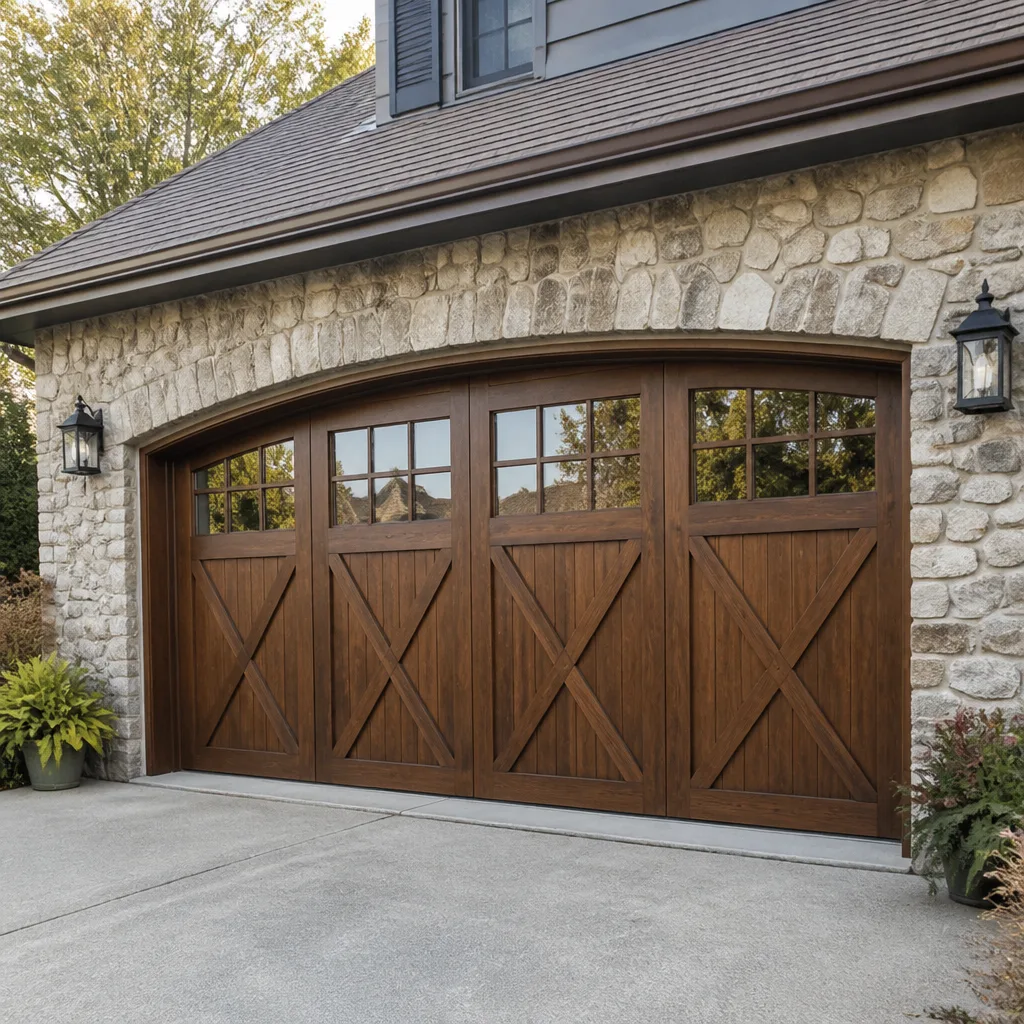 Carriage house
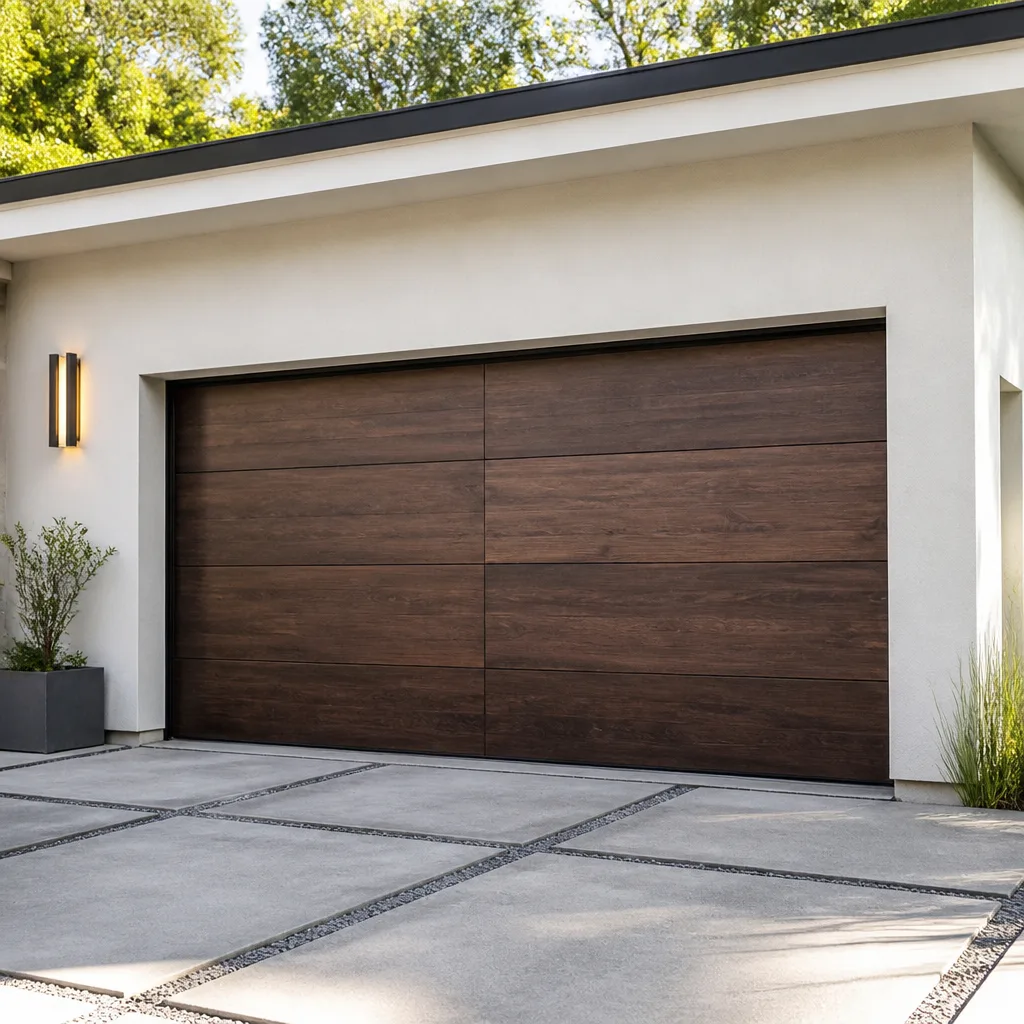 Modern flush
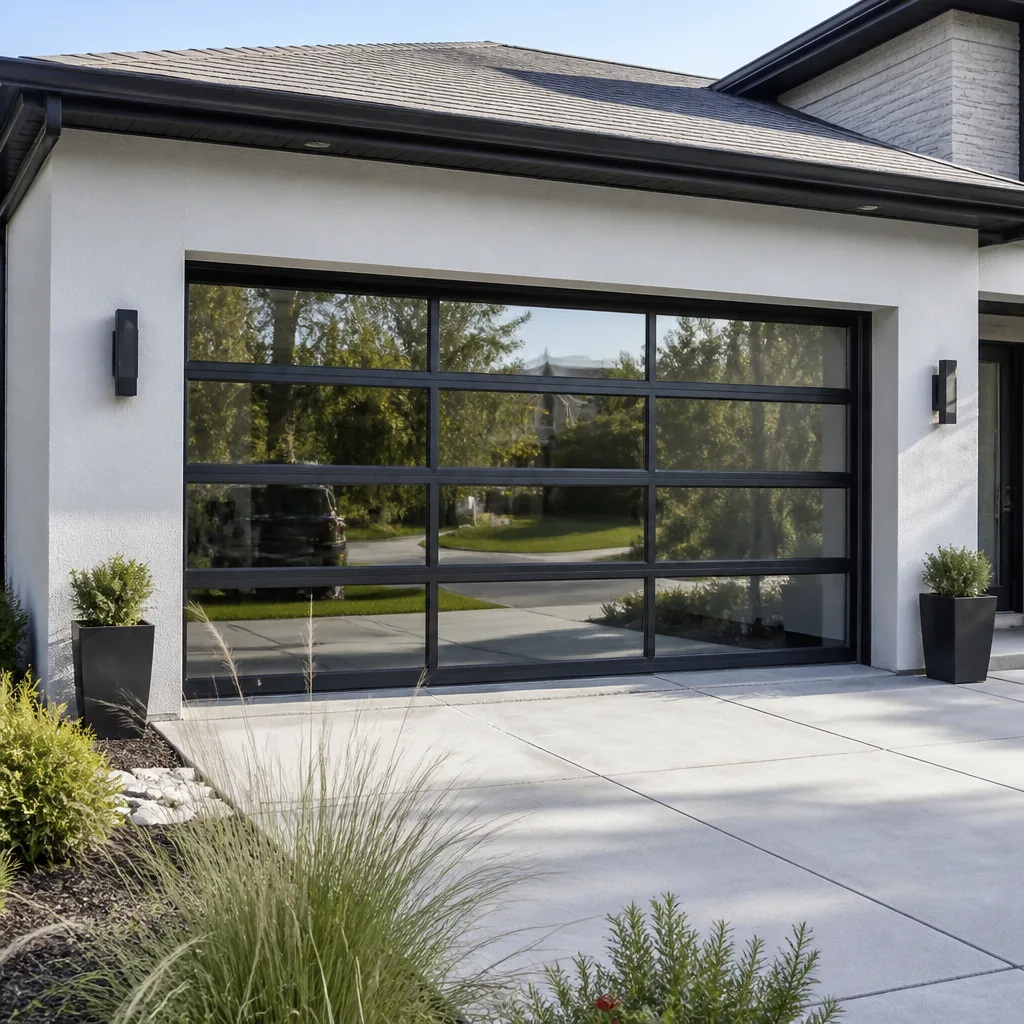 Full-view glass
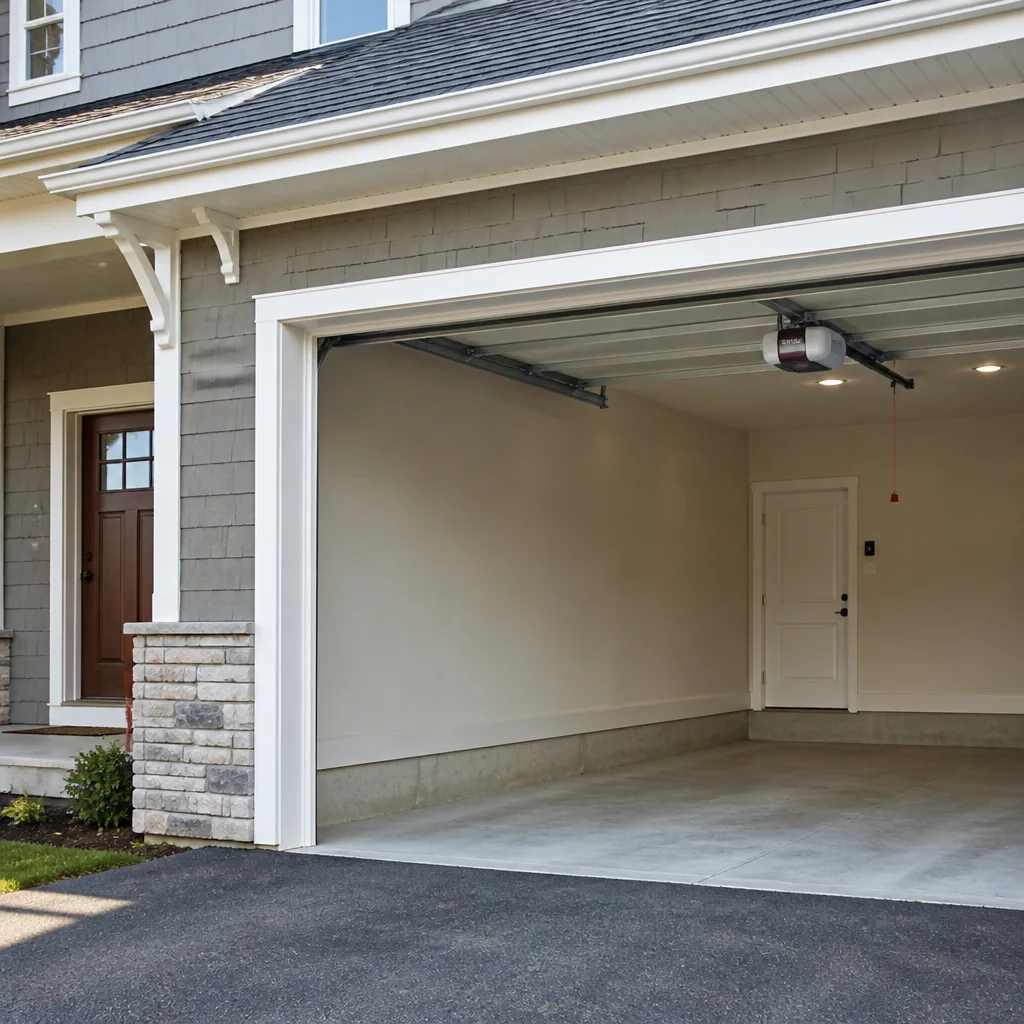 LiftMaster openers
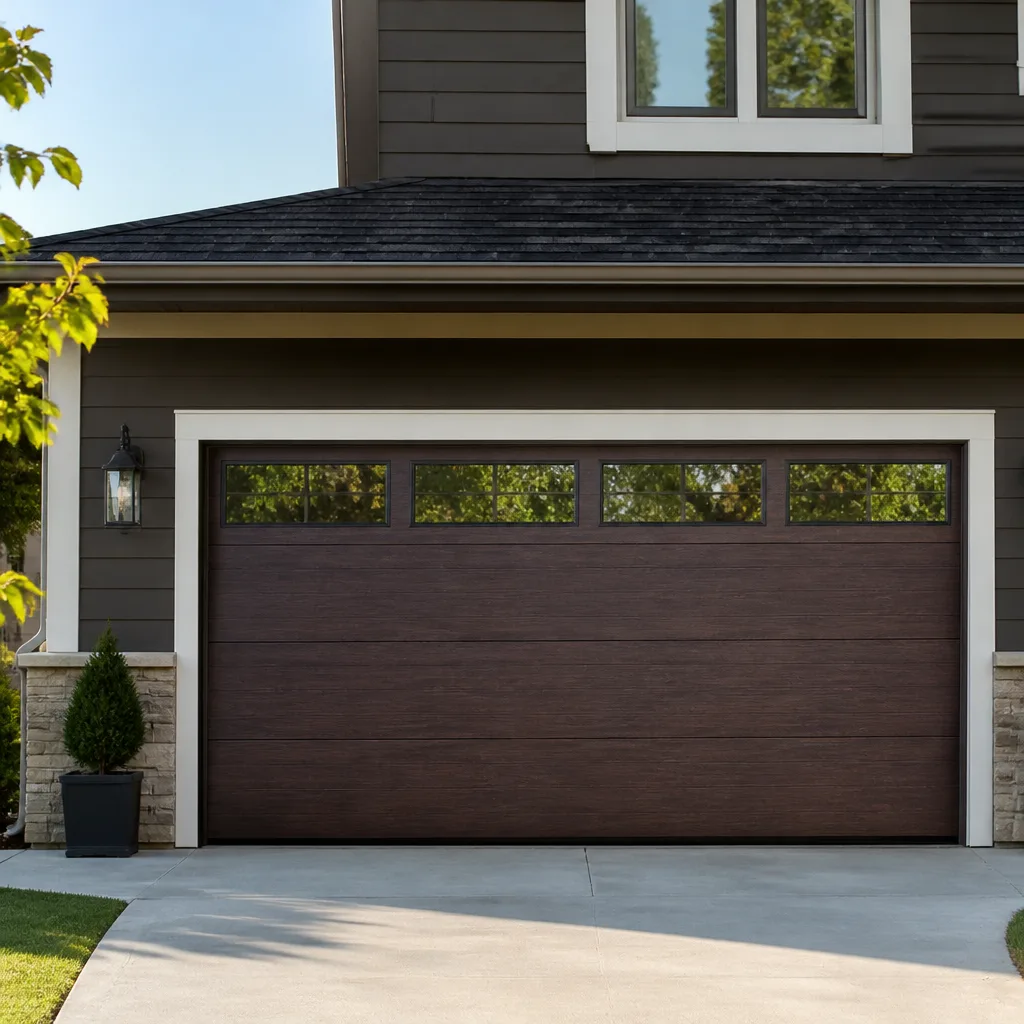 Chamberlain openers
Full 25-point door and opener safety check with every visit - springs, cables, rollers, tracks, and your LiftMaster or Chamberlain opener included
You get a price before we start. It does not change when the pro arrives.
Get your free estimateDIY vs Professional Garage Door: The Nora Homeowner’s Decision Guide
Most homeowners who ask whether they should fix their own garage door are asking the wrong question. The question isn’t whether you’re handy enough, it’s whether the specific task has physics working for you or against you. Some jobs on a garage door are genuinely easy and safe for a careful homeowner to handle. A few are among the least forgiving repairs in a whole house. The dividing line runs between them, and it’s sharper than most people expect. This guide breaks down which garage door tasks make sense to do yourself, which ones don’t, and how to get the best outcome when you call a professional in Nora.
Quick Answer
Do the low-risk tasks yourself: lubrication, sensor alignment, remote reprogramming, and weatherstripping. Call a professional for anything involving torsion or extension springs, cables, the door’s structural panels, track realignment, or opener wiring to the house current. The first group is safe with basic tools; the second belongs with a trained garage door technician because a spring failure is fast, violent, and can cause serious injury.
Styles & brands we work with
- Raised-panel steel
- Carriage house
- Modern flush
- Full-view glass
- LiftMaster openers
- Chamberlain openers
Table of Contents
- The task-by-task breakdown: what’s safe to do yourself
- Why spring systems have physics working against you
- What a YouTube tutorial gets right, and what it leaves out
- The honest cost comparison: DIY, break-even, and the repair that costs more
- How to be a smart participant in a professional repair
- Garage doors in Nora: climate, housing, and local considerations
- When to call a professional
- Frequently asked questions
The task-by-task breakdown: what’s safe to do yourself
The most useful thing we can give you is a clear line. On one side are jobs that take ordinary tools, that fail quietly, and that cost nothing catastrophic if you get them wrong. On the other side are jobs where a single mistake has a moment of consequence you can’t undo. Here’s how that line actually falls on a garage door in Nora.
Safe to do yourself:
- Lubricating hinges, rollers, and tracks – a few drops of garage-door lubricant on the hinges and rollers keeps everything quiet and reduces wear. Use a product made for the job, not cooking oil or generic grease.
- Aligning or cleaning photo-eye sensors – if the door reverses for no reason, the sensor lenses are often just dusty or slightly knocked out of line. Wipe them and check that the two small lights face each other.
- Reprogramming remotes and keypads – most LiftMaster, Chamberlain, and Genie units have a learn button on the motor head and a straightforward pairing process in the manual. This is the most common “repair” we’re asked about, and it’s almost always a two-minute job.
- Replacing the bottom weatherseal – the rubber strip along the bottom edge takes the most wear and is held in a track or channel. It slides out and slides back in, and it’s a genuine homeowner job.
- Testing the safety reverse – placing a roll of paper towels under the door and checking that it reverses when it hits it. This is the single most useful test you can run on your door, and you should do it regularly.
Never a DIY job, in any circumstance:
- Torsion springs and the shaft above the door – wound under extreme tension, and the winder bars can slip.
- Extension springs and their safety cables – the cables are the only thing keeping a broken spring from flying across the garage.
- Lift cables, drums, and the cables running down each side – they’re under load whenever the door is down and they can snap back under tension.
- Sectional panel replacement on a damaged door – if the door is bent or off-track, the repair is structural.
- Adjusting the door’s travel or force limits when the door is binding – if the door is jamming, the cause is usually mechanical, and the opener’s force limit is a safety cut-off, not a fix.
- Any electrical work inside the opener’s housing or replacing the wall-mounted control wire – the power side belongs with a trained technician.
That’s the split. Most of what a homeowner calls us for lands on the second list. And when it’s a repair you want done today, that’s Garage Door Repair Nora at its most useful: we carry parts, we know the brands, and we can tell you on the call which side of the line your job is on.
Why spring systems have physics working against you
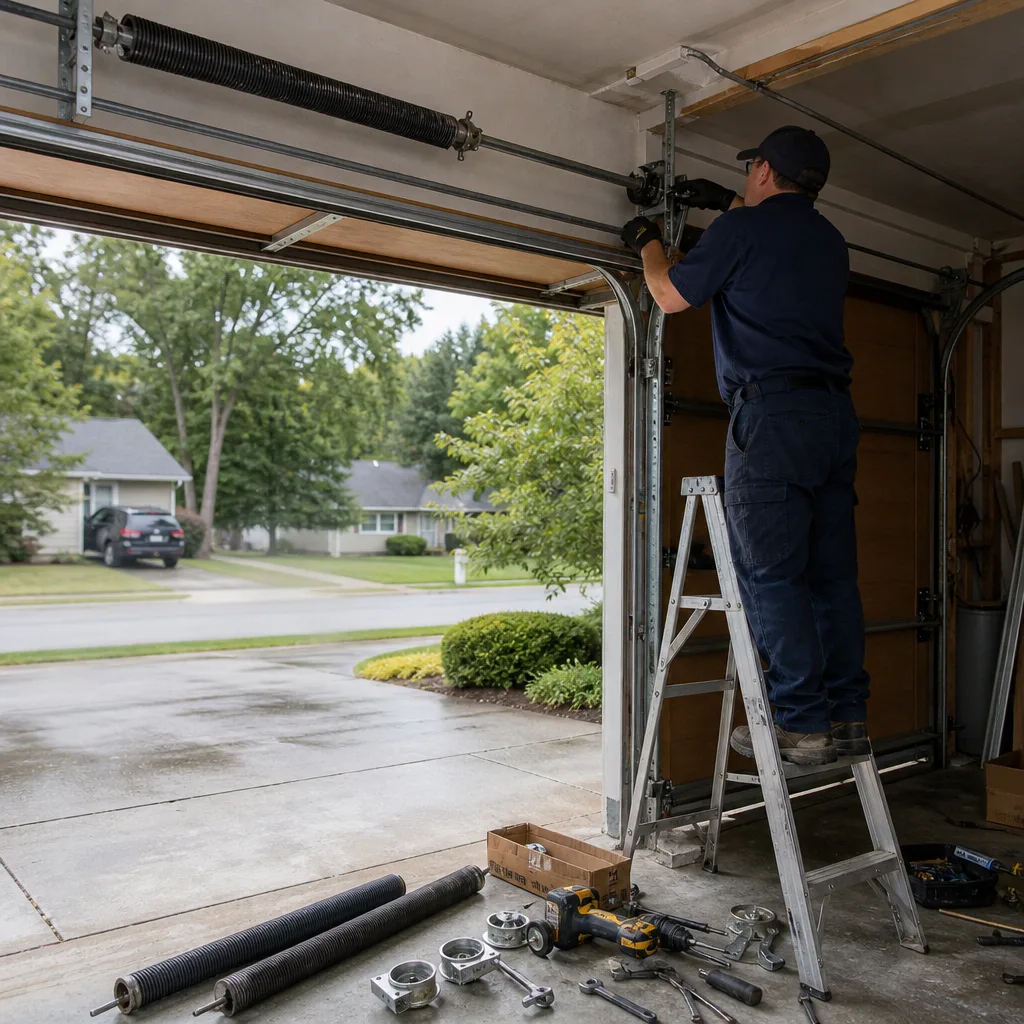
A torsion spring is a coil of steel that’s been pre-tensioned to hold the full weight of your door. On a standard single door, that’s somewhere in the range of a couple of hundred pounds of lift; on a double, closer to double that. The spring stores energy so the opener and your arms don’t have to. It is wound to exactly match the door’s weight, and when it lets go, it releases all of that stored energy at once. This isn’t a scary story. It’s just how a spring works.
Picture the torsion system the way a technician does. There’s a steel shaft running horizontally above the door, mounted in end plates, with a cable drum on each side and a coiled spring at the middle. The spring is tensioned by winding the shaft, and then locked with set screws. When it breaks, the shaft spins free and the door suddenly weighs twice what it did. The cables go slack, the door can slam down, and anything under it – a car, a person – is at the bottom of a full-height drop.
Extension springs are different but not friendlier. They stretch horizontally along the tracks above each side of the door. When one breaks, it retracts violently along the track. The safety cable running through the middle of the spring is there to catch the broken sections and keep them from flying across the garage. That cable is not optional.
Here’s the part that catches homeowners: a spring doesn’t fail slowly. It gives no warning, doesn’t crack and squeak for weeks. It just goes. There’s no safe way to inspect the winding of a torsion spring from the floor, and no way to re-tension one without the correct winding bars, knowledge of the spring’s wire gauge and door weight, and clearance above the door. If you’re in Nora and you’re wondering whether your spring needs attention, the honest starting point is a call to garage door repair, not a ladder.
What a YouTube tutorial gets right, and what it leaves out
We’re not going to tell you tutorials are worthless. They’re genuinely useful for the safe side of the list: how to reprogram a LiftMaster remote, how to clean a sensor lens, how to slide a new weatherseal into the bottom track. Watch two or three, take the steps slowly, and you can have a satisfying repair for the cost of a part.
Where tutorials fall short is the moment the task stops being the one in the video. A few of the gaps we see on real jobs:
- Every spring is sized to its door. A tutorial shot on a 7-foot single door isn’t a tutorial for an 8-foot double. Springs are matched to door weight and height, and a spring of the wrong size will either fail early or overload the opener.
- Winding bars are not a generic tool. The correct bars fit the winding cone snugly and are long enough to give leverage. A screwdriver or a socket can slip under load.
- Cable tension is not shown. The camera rarely catches whether the cables were properly seated in the drums before the door came down. That’s the step most likely to fail later.
- Opener force and travel limits need resetting after a spring replacement. If the opener’s force is left where it was for a broken spring, the door will bind and the opener will strain. It’s a five-minute calibration, and most tutorials skip it.
- Brand details vary. A Chamberlain opener pairs remotes differently from an older Craftsman unit; a Clopay panel’s hinge arrangement can differ from another brand’s. The video’s specific model won’t always match yours.
- No one shows the failure. The tutorial shows the successful swap. It doesn’t show what it looks like when a winding bar slips. That’s the part you can’t rehearse.
If you’ve watched a video and you’re not sure whether it matches your hardware, that’s the moment to call. A garage door specialist trained on LiftMaster, Chamberlain, Genie, and Clopay systems can look at your setup and tell you in a couple of minutes whether the job you watched is the job in your garage. When it comes to the opener side, the same is true of garage door opener repair.
The honest cost comparison: DIY, break-even, and the repair that costs more
Here’s where the calculus gets interesting, because “DIY saves money” is only true when the task is on the safe side of our list. A weatherseal costs a fraction of a service call. A sensor cleaning is free. A remote reprogram is free with your manual. Those are real savings.
For the spring task, the equation changes. The DIY path involves buying springs, winding bars, and often an extra pair of hands. You’re ordering the exact size, matching the wire gauge to the door, and setting the winding at exactly the right number of turns. If it goes right the first time, you’ve saved a service call. If it goes wrong, you’ve either injured yourself or you’ve got a door that’s now sitting uneven with the opener’s force limit out of calibration, or a bent track from a door that came down too fast. In our experience, the “DIY saved it” spring jobs are the ones where the homeowner had mechanical experience with the same equipment, and had the right winding bars before they started.
A typical price comparison for the four most common jobs looks roughly like this in the Nora market:
- Weatherseal replacement – a small parts cost as DIY; a service call adds labor. DIY wins if the track is straight and the door isn’t coming apart.
- Remote or keypad programming – free. A service call is a convenience cost, not a repair cost.
- Sensor or travel-limit adjustment – free if the sensor is just misaligned; a service call if the opener needs calibration after a component has been replaced.
- Torsion spring replacement – one spring is typically a few hundred dollars for parts and labor, and a matched pair usually gets replaced together, so a pair costs about twice the single-spring figure. The written quote you get before work starts is the price. DIY saves money only when it works on the first try, and costs more when it doesn’t.
- Cable, drum, or track realignment – professional territory. A bent track or slack cable can’t be safely corrected from a step ladder.
We always quote the price up front and agree it before any work begins, so you know the number before the first tool comes out. For a Nora door that needs a proper repair, that conversation starts with a call, and estimates are free.
How to be a smart participant in a professional repair
You shouldn’t walk away from your garage door for the rest of your life just because part of the work is dangerous. A good repair visit can be a chance to learn how your door works, ask the questions you want answered, and take over the safe maintenance afterward. Here’s how to do that.
- Ask what’s being replaced and why. A torsion spring job means new springs, usually in a matched pair, and a re-check of the cables and drums. Ask the technician to name the parts going in.
- Ask about door weight and spring sizing. If the springs were sized to the door, you’ll hear a wire gauge and a length, not a guess. That’s a good sign.
- Watch the safety test after the work. A technician should run the door and demonstrate the safety reverse when the job is done. If they don’t, ask.
- Ask for the force and travel limits to be calibrated. After a spring replacement, the opener’s limits need to match the new door weight. This is a step that separates a careful job from a quick one.
- Write down the maintenance you can do. Lubrication on the hinges and rollers, sensor checks, weatherseal inspections. A five-minute routine you can do yourself between visits.
- Ask what to watch for. Every door has its own tells. Learning yours now is what lets you call early next time.
Our technicians have up to 12 years of experience, and most of them are happy to walk a homeowner through what they’ve just done. That’s not an upsell, it’s how a customer stays out of trouble. And if a spring job turns into a new door because the panel has been bent beyond repair or the door is at the end of its service life, that’s a conversation about garage door installation, not a surprise on the invoice.
Garage doors in Nora: climate, housing, and local considerations
Garage doors in Nora live through a full Indiana four-season cycle. Hot, humid summers, freezing winters, and the swings in between. That pattern doesn’t break a spring overnight, but it does work on the metal and the rubber: weatherseals get brittle in the cold and split, hinges stiffen, and springs that are near the end of their cycle count can let go during a hard cold snap. Our advice to Nora homeowners is boring and effective: lubricate twice a year, test the safety reverse every month, and look at the bottom seal each fall before the cold hits.
Nora’s housing stock runs from older homes with original wood and steel doors to newer builds with insulated steel and contemporary panel profiles. That matters for the parts you’ll need. An older door’s hinges and rollers may be a size that isn’t standard on a newer track system, and a newer door’s opener may be a LiftMaster or Chamberlain model with a specific learn sequence and remote frequency. We work on the full lineup – LiftMaster, Chamberlain, Genie, Clopay, Amarr, Wayne Dalton, Craftsman, and Raynor – so the hardware you have is the hardware our technicians are trained on, not the one they’re guessing at.
One more Nora-specific point: a garage door is the largest moving object on a house, and it’s the one we interact with every day. A door that hesitates for a week before it fails gives you time to call. A door that slams one morning gives you a morning of trouble. Getting ahead of the second one is what a maintenance check is for, and any time you’re in doubt about a noise, a hesitation, or a light that isn’t behaving, that’s a call worth making. It’s also the reason our parts availability matters in a small market: when the common components are already on the shelf, the fix is faster.
Common Mistakes to Avoid
- Using the wrong lubricant. White lithium grease and cooking oil both attract grit. A garage door lubricant made for hinges and rollers is what you want, and a little goes a long way.
- Adjusting the opener’s force limit to “fix” a binding door. If the door is binding, the mechanism is the problem. Turning up the force masks it and strains the opener.
- Assuming the sensor is broken when it’s just dusty. In our experience, more “sensor failures” turn out to be a dirty lens or a knocked-out alignment than a failed component.
- Pulling the manual release on a door with a broken spring. The door will come down hard. Leave it alone and call.
- Buying springs by sight. A spring is sized by wire gauge, inside diameter, and length, matched to the door’s weight. A visibly “similar” spring can be the wrong one.
- Letting a bent panel wait. A door that’s tracking off-center puts stress on the rollers and opener with every cycle. The longer it runs that way, the more it costs to fix.
- Skipping the safety reverse test. It takes 30 seconds and it’s the one check that tells you the door will stop if something is under it.
When to Call a Professional
Call a professional for any spring, cable, or drum work, anytime the door is off its track, and any time a panel is bent, cracked, or separating at the hinges. Call if the door reverses for no reason and the sensor cleaning doesn’t fix it, if the opener’s lights are flashing a code you can’t match to the manual, or if the door seems heavier than it did last month (that usually means the spring is losing tension). Call if you’re not sure. A short phone conversation is cheaper than a wrong guess. Garage Door Repair Nora offers free estimates in Nora – call (833) 468-3650, and we’ll tell you honestly whether your job is a DIY task or a pro one.
Frequently Asked Questions
No. Torsion springs are under hundreds of pounds of torque and extension springs are under constant stretch; a slip during winding or a snap during release is fast and can cause serious injury. Spring and cable replacement belongs with a trained garage door technician, and the risk profile is different from almost any other home repair. Call (833) 468-3650 for a free estimate on spring repair.
A single torsion spring replacement is typically in the low-to-mid hundreds for parts and labor. Replacement springs are usually done as a matched pair because they wear at the same rate, so a pair costs about twice the single-spring figure. The written estimate sets the final price, and estimates are free. Call (833) 468-3650 for an exact quote.
Yes, in almost every case. Most LiftMaster, Chamberlain, and Genie units have a learn button on the opener head, and pairing a remote is a short sequence you can do from a step ladder. If the remote won’t pair after a battery change, call us and we’ll help you sort out whether the issue is the remote or the opener. Call (833) 468-3650 if you’re stuck.
Often yes. The photo-eye sensors along the bottom of the door are the most likely cause, and a dusty lens or a sensor knocked slightly out of line is the usual culprit. Wipe both lenses and check that the small indicator lights face each other. If realigning them doesn’t fix it, or the door reverses with the sensors clear, that’s a call to a technician. Call (833) 468-3650 for a free estimate.
No. We quote the price and agree it with you before any work starts, so the number you hear on the estimate is the number the finished job reflects. If the inspection turns up something outside the original scope, we tell you before we do it. Call (833) 468-3650 for a free estimate.
The local professionals we connect you with are licensed and insured as their state requires. Every technician who arrives is a garage door specialist, not a general handyman, and our team has up to 12 years of experience across the major brands. Call (833) 468-3650 for a free estimate.
The Bottom Line
Most garage door maintenance is comfortable territory for a careful homeowner. Lubrication, sensor cleaning, remote programming, and weatherseal replacement all sit on the safe side of the line. The jobs that involve springs, cables, drums, bent panels, or the opener’s electrical housing do not, because the physics of a stored-energy system are unforgiving in a way that most home repairs aren’t. If you’re in Nora and you’re unsure which side your job falls on, that’s the question to ask. We can answer it in a call, we can quote the price before we start, and we’ll tell you honestly when the right answer is “you can do this one yourself.” That’s the kind of garage door repair we think a Nora homeowner deserves.
Call (833) 468-3650 for a free estimate.
Written by the team at Garage Door Repair Nora.
See the difference
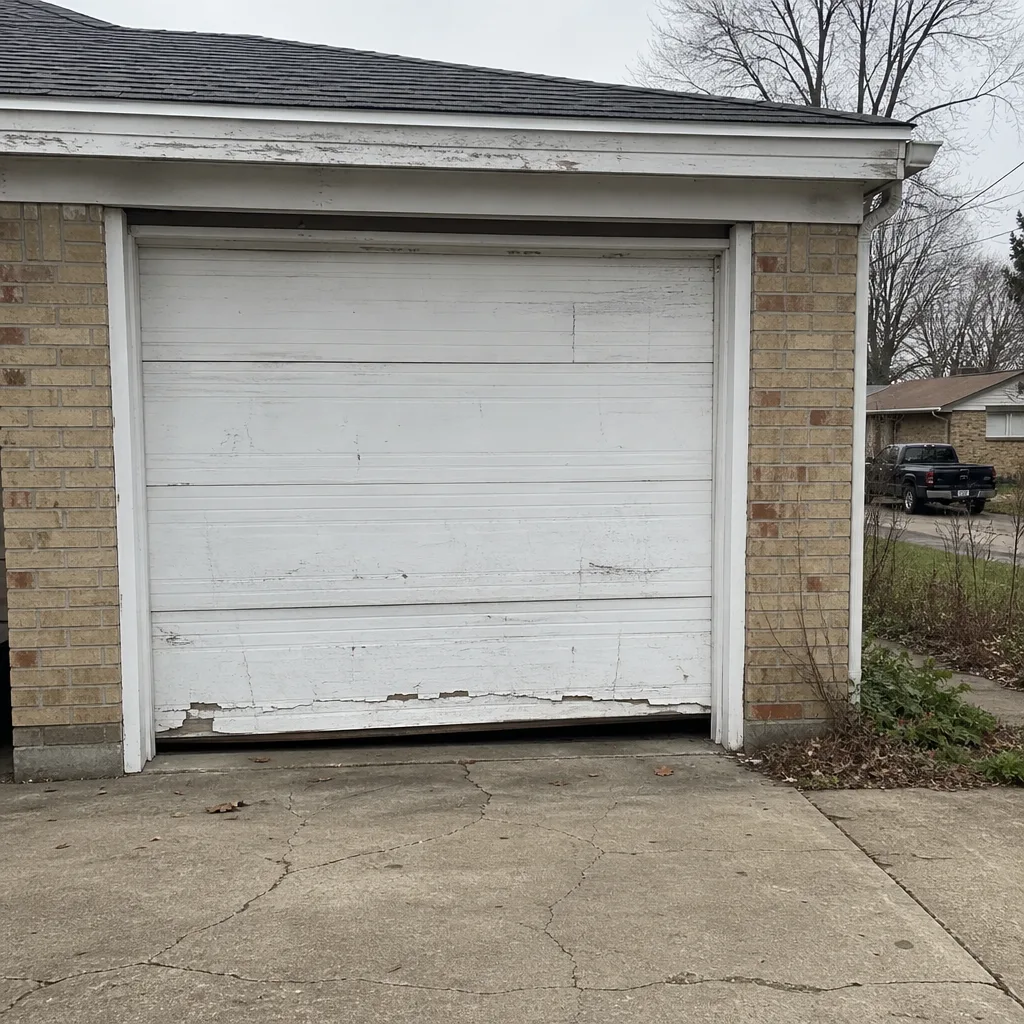 Before
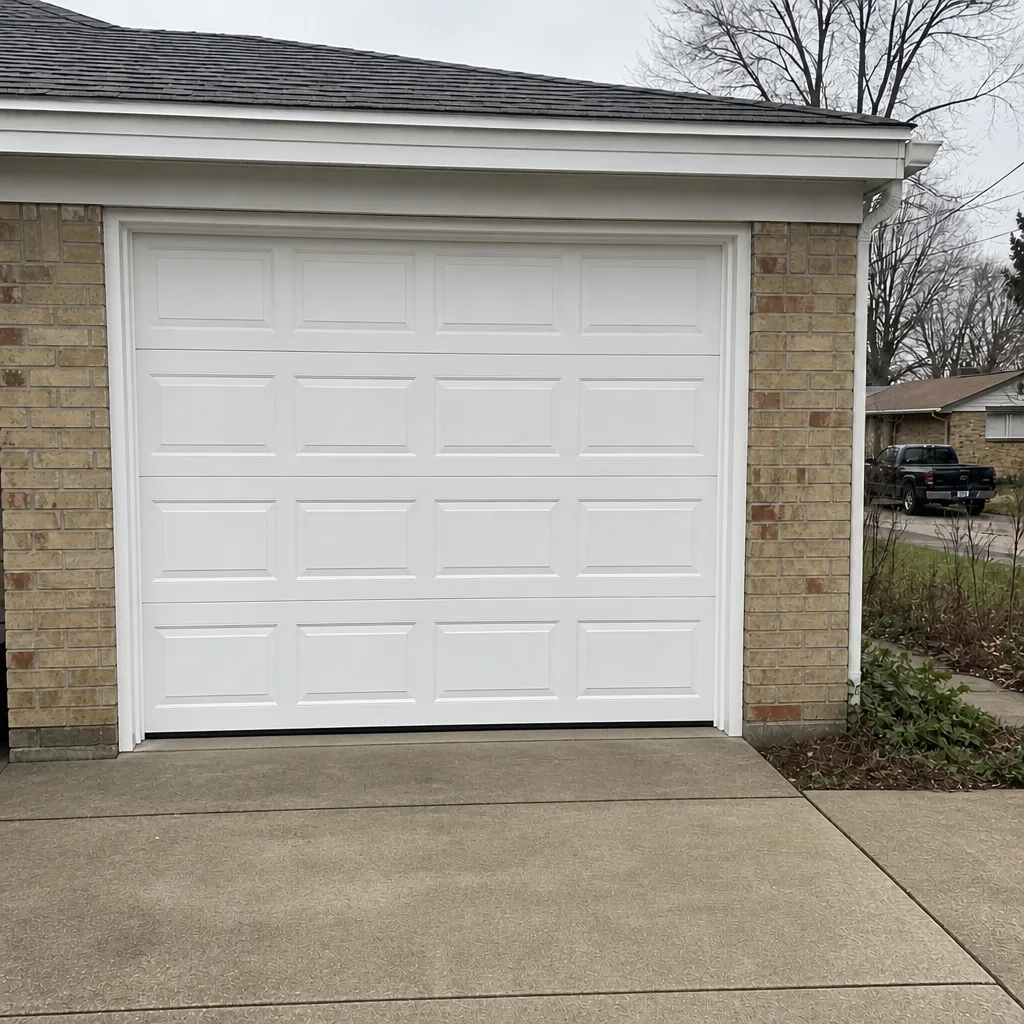 After
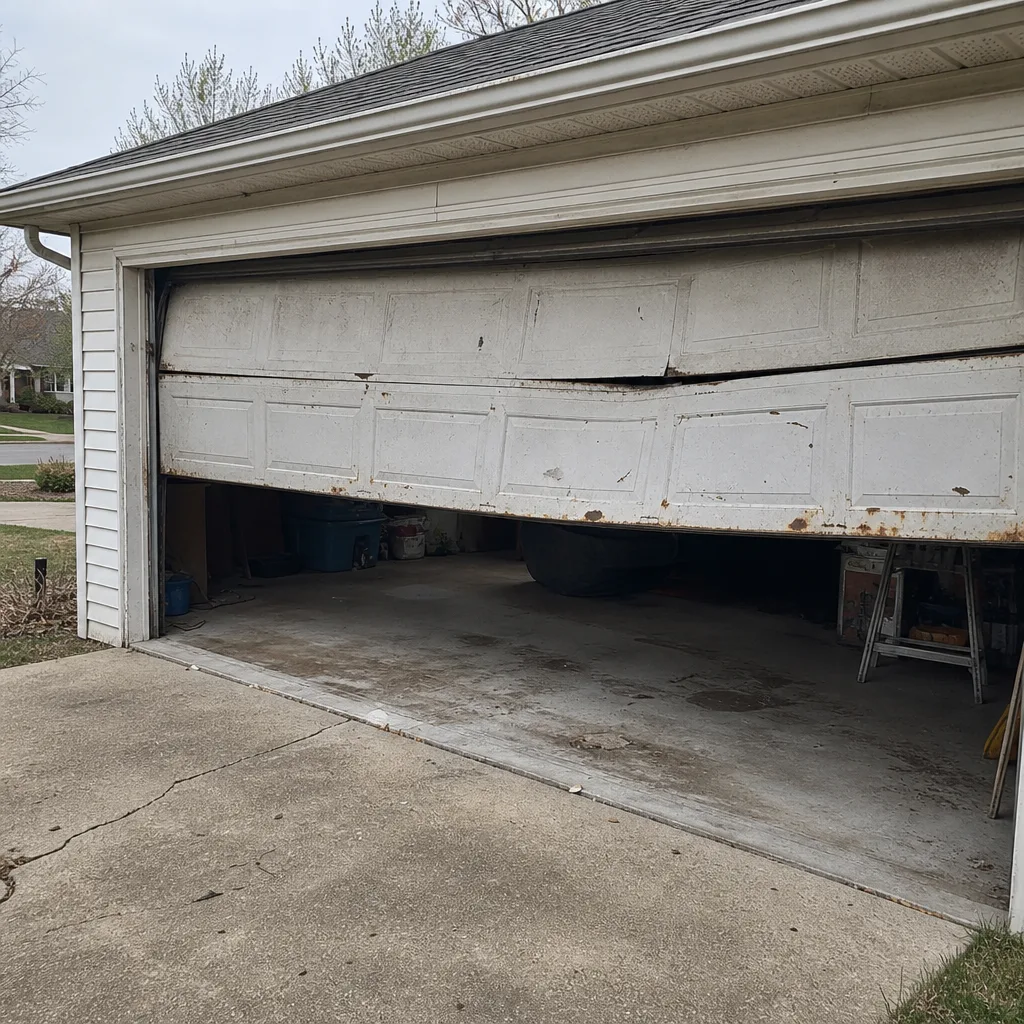 Before
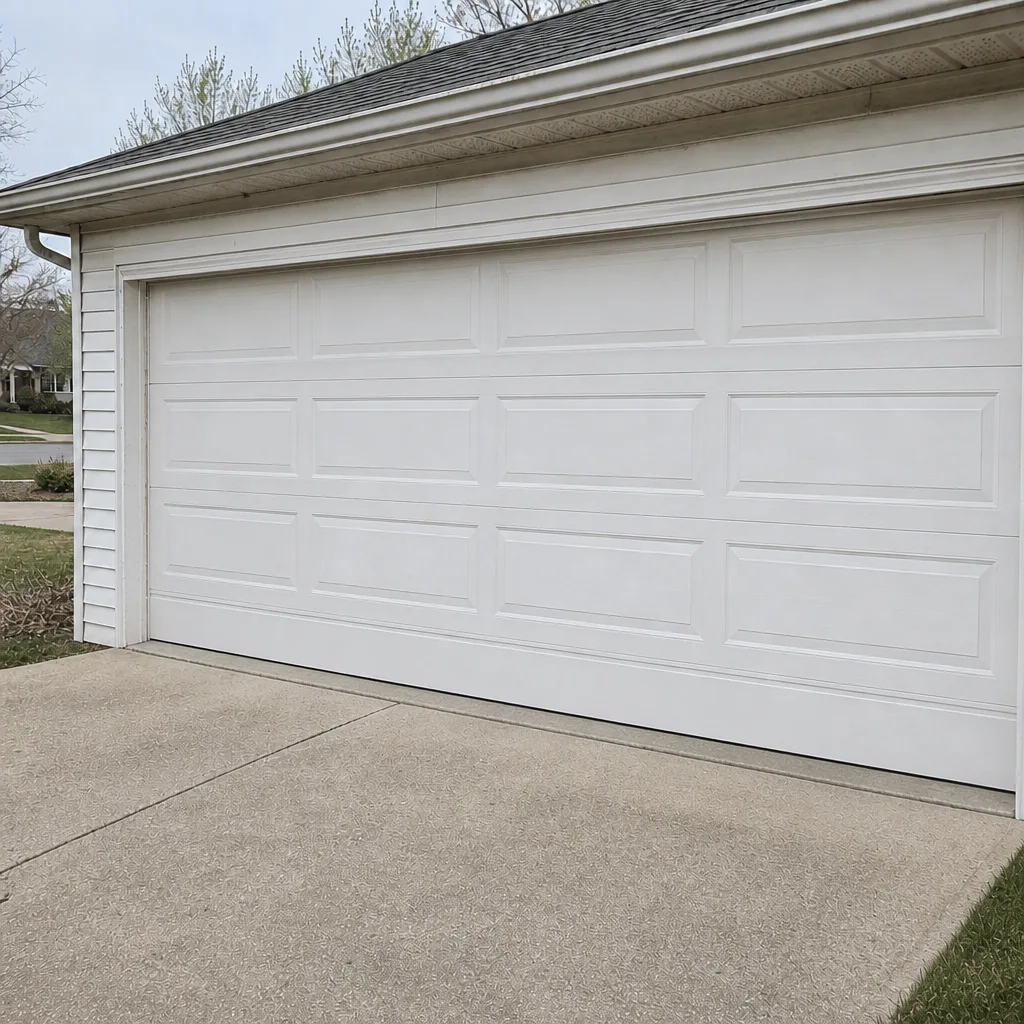 After
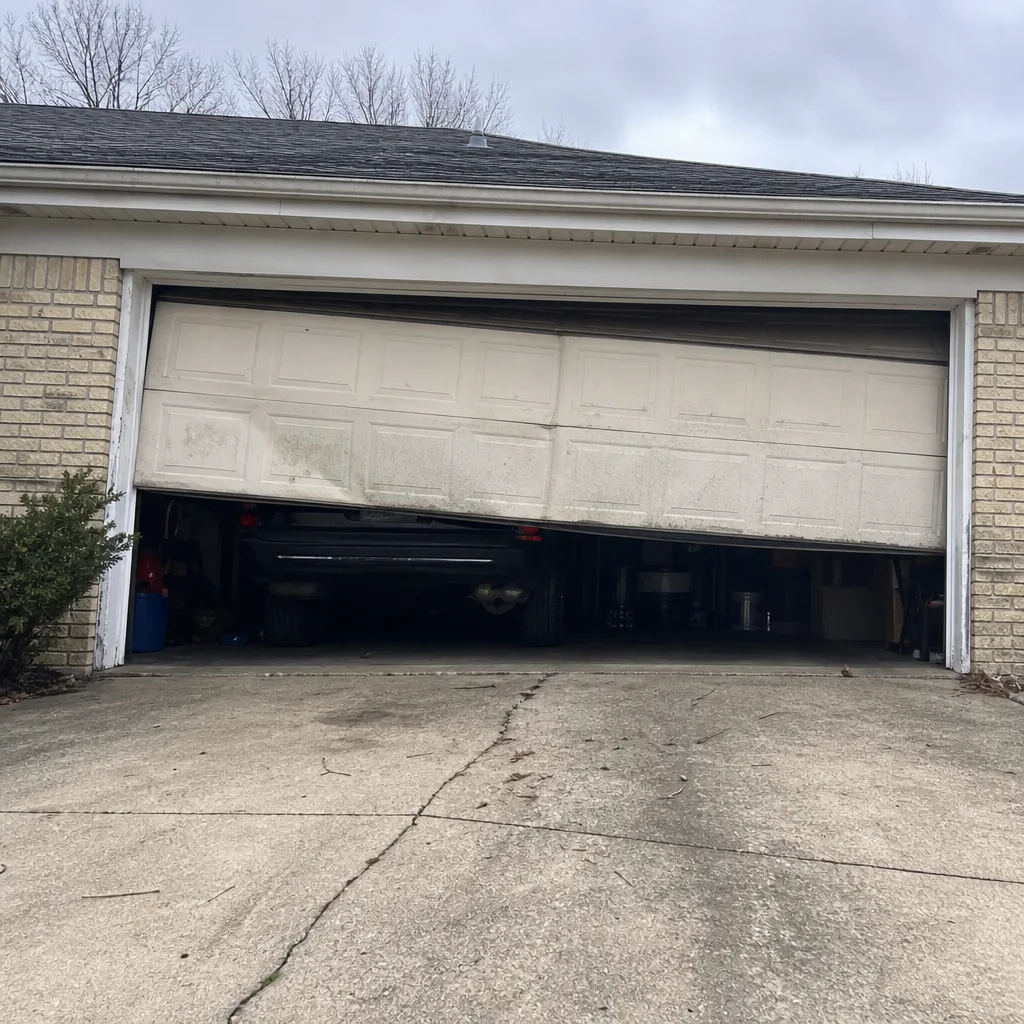 Before
 After