Last updated November 20, 2026
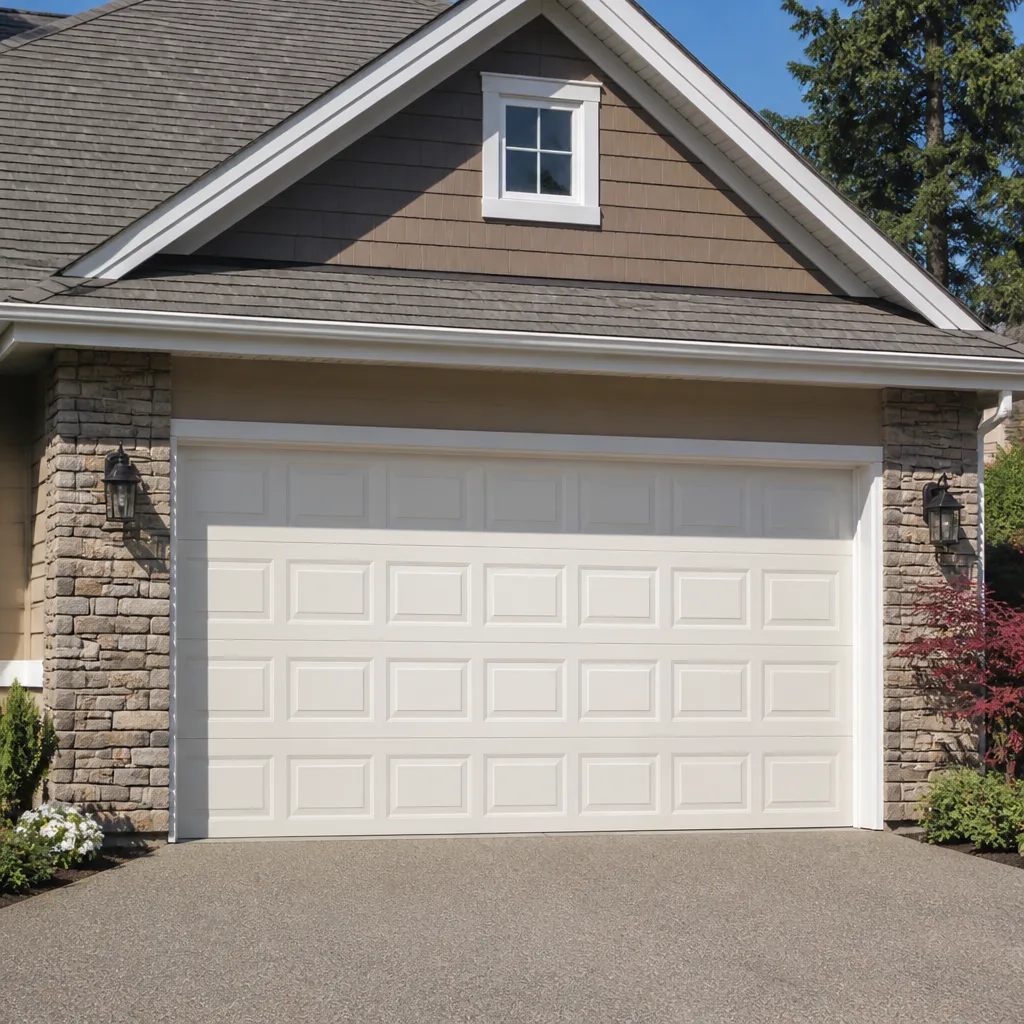 Raised-panel steel
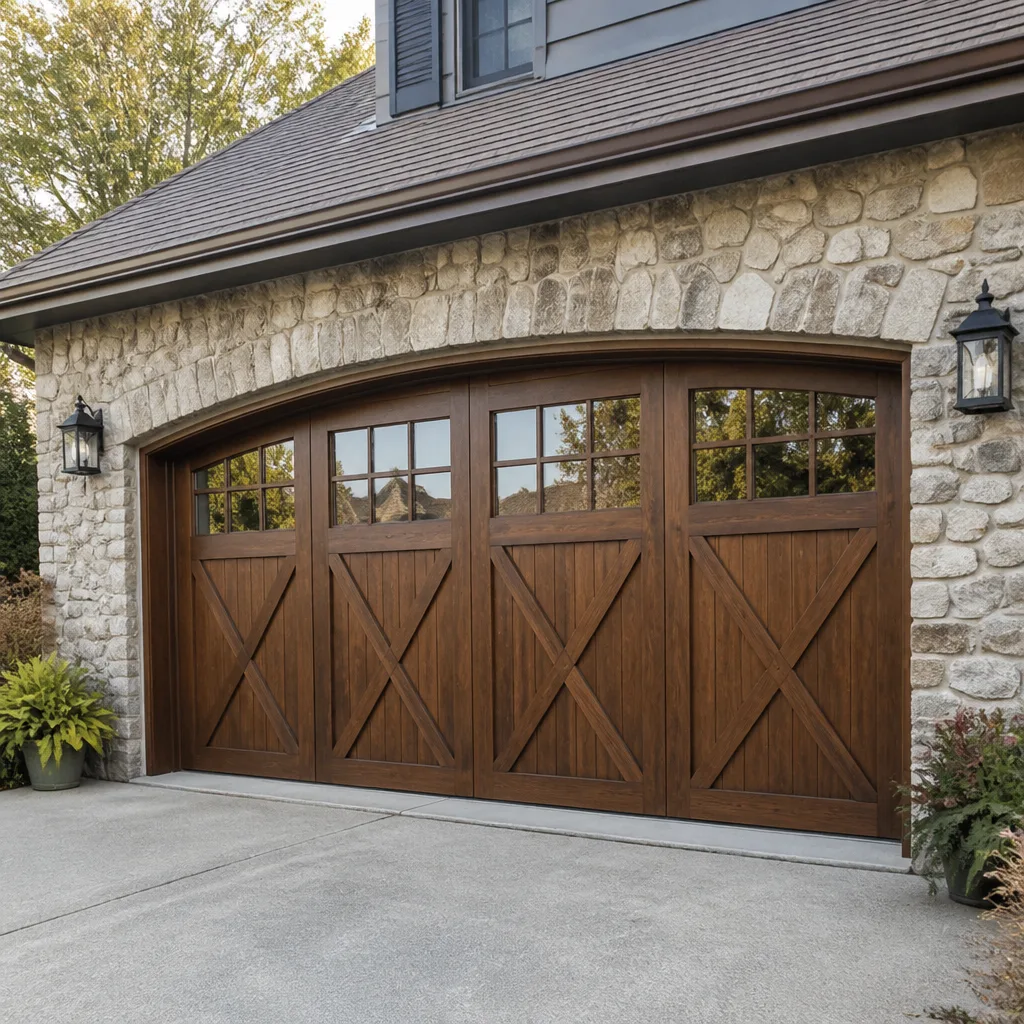 Carriage house
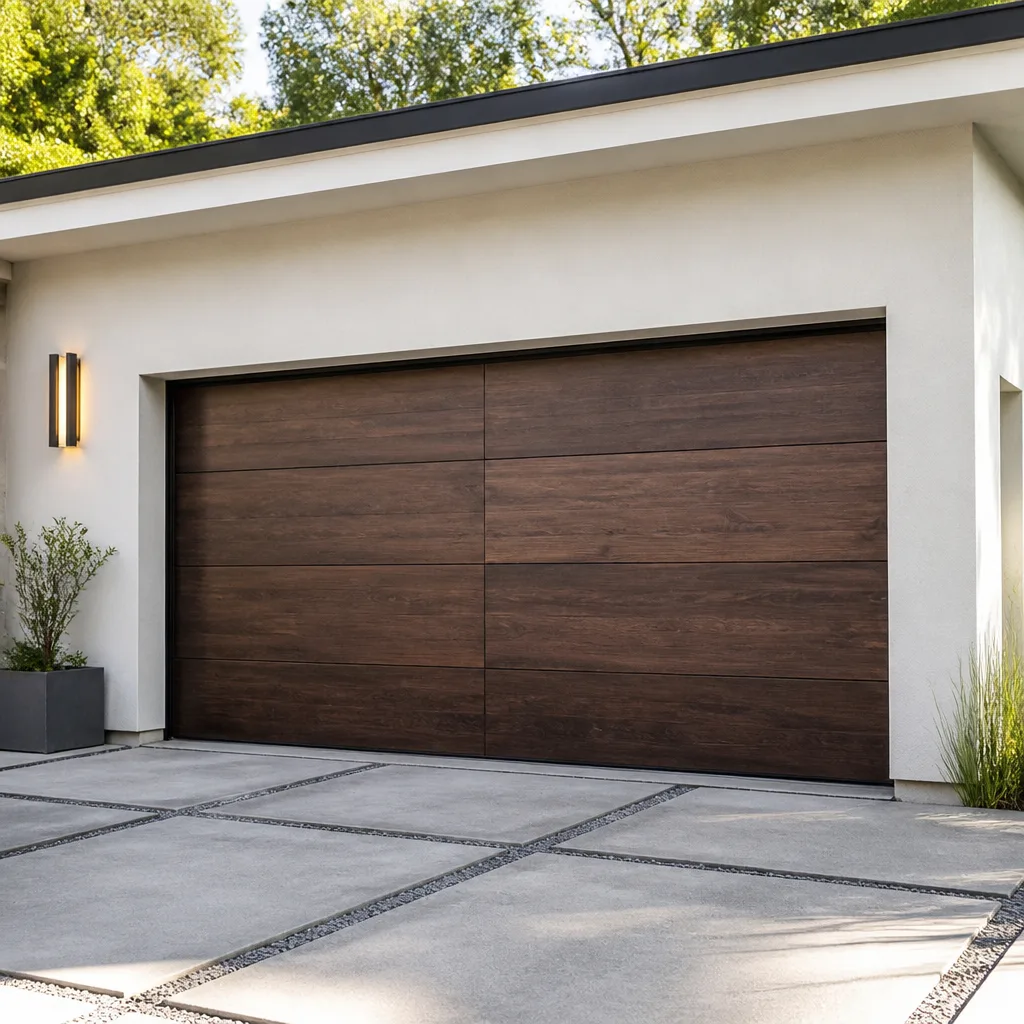 Modern flush
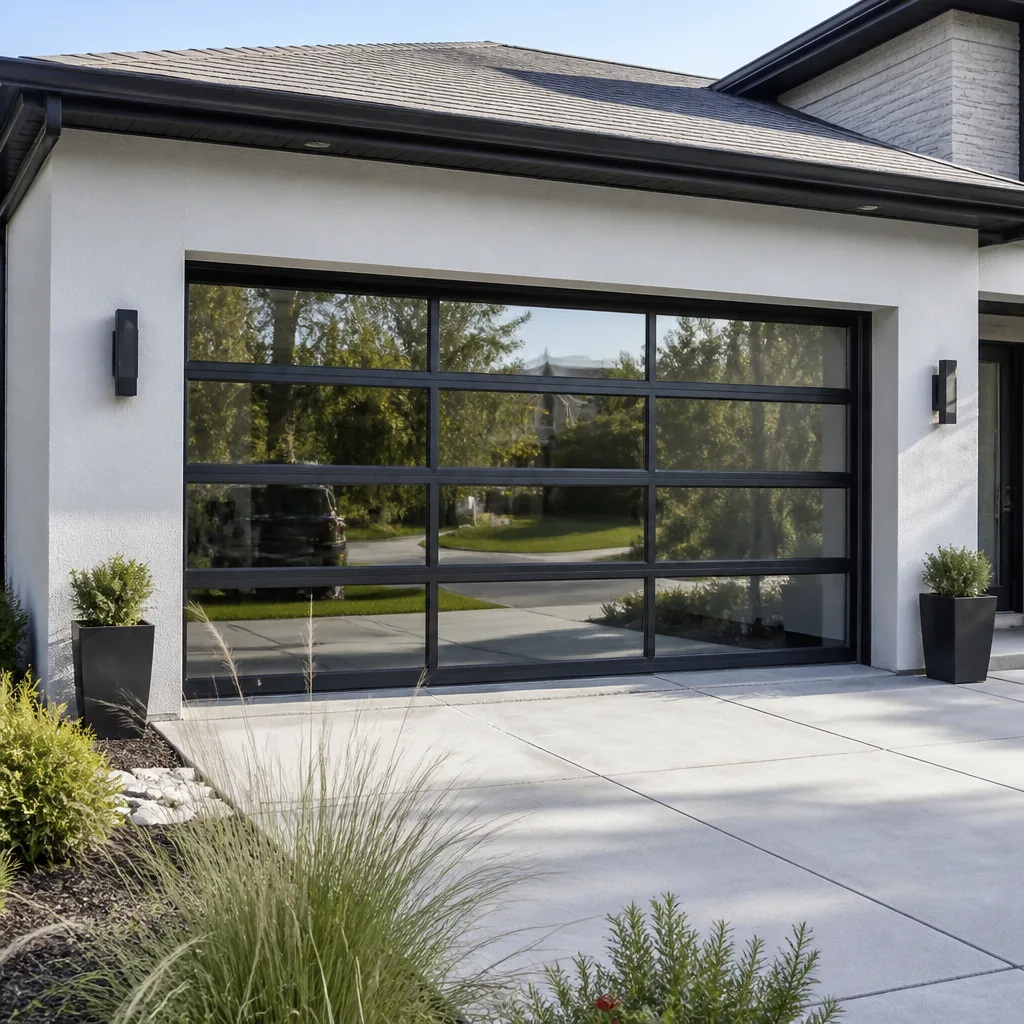 Full-view glass
 LiftMaster openers
 Chamberlain openers
Full 25-point door and opener safety check with every visit - springs, cables, rollers, tracks, and your LiftMaster or Chamberlain opener included
You get a price before we start. It does not change when the pro arrives.
Get your free estimateHow to Hire a Garage Door Contractor in Nora: A Step-by-Step Guide
Indiana does not require a state license specifically to replace a garage door spring. That single fact explains a lot of what goes wrong in this trade. A general handyman can legally show up at your door, wrap a winding bar around a torsion spring carrying serious stored energy, and there is no state credential to check that tells you whether he has any business doing it. The difference between a specialist who has sized and replaced hundreds of springs and a generalist with a wrench and a ladder stays invisible until something fails. This guide gives you a screening process you can run before you sign anything: the exact questions to ask, what a real line-item estimate looks like, how to verify insurance that actually covers garage door work, and the review patterns that warn you away from a bad hire here in Nora.
Quick Answer
To hire a garage door contractor in Nora, confirm that spring work, opener work, and door installation are their core trade rather than a side job, ask for a written line-item estimate that names the part, the brand, and the labor separately, and verify insurance that covers property damage during the install. A qualified garage door contractor will quote you before any work starts, diagnose your existing system by brand before recommending a replacement, and put labor and parts warranties in writing.
Styles & brands we work with
- Raised-panel steel
- Carriage house
- Modern flush
- Full-view glass
- LiftMaster openers
- Chamberlain openers
Table of Contents
- Why Indiana’s Unregulated Trade Matters When You Hire in Nora
- The Specialist vs. Generalist Test
- What a Legitimate Estimate Looks Like, Line by Line
- How to Verify Insurance for a Garage Door Job
- Red Flags in Online Reviews and How to Read Them
- Why Hiring Local Matters for Warranty Follow-Through
- The Safety Question You Should Ask About Spring Repair
- A Step-by-Step Screening Process
Why Indiana’s Unregulated Trade Matters When You Hire in Nora
Most states run garage door work through a general contractor licensing system or regulate it under a specialty classification. Indiana leaves the trade largely unregulated at the state level, which means the buyer carries the burden that a licensing board usually carries in other trades. You are the one who has to confirm that the person on your driveway understands torsion spring sizing, opener logic boards, track alignment, and the load calculations that keep a 200-pound door from dropping.
That gap shows up in Nora the same way it shows up across the north side of Indianapolis. Housing stock here ranges from mid-century ranch homes with original single-car doors to newer builds with high-lift setups and jackshaft openers. A generalist who mostly hangs drywall and installs water heaters may have replaced a couple of doors in his career. A specialist works on doors and openers every week and knows how a Clopay panel replacement interacts with an Amarr track profile, or why a Chamberlain opener paired with the wrong spring weight will trip its safety reverse sensor on every cycle.
Our technicians have up to 12 years of experience, and the single most common thing we see on a call that a generalist started is a wrong-weight spring. A spring sized for a different door number will run, for a while, and then fail early. Sometimes it fails with a door attached. That’s the practical cost of hiring on price alone.
Two more things to understand about the Nora market before you make calls:
- Garage doors here face real seasonal swing. Cold Indiana winters contract the steel in tracks and springs, and a door that tracked clean in October can bind in January. A contractor who sizes for your door’s actual weight rather than a rough guess handles that better.
- Attached garages in Nora are typically unheated and uninsulated. That’s a factor in door selection, not a reason to buy the heaviest insulated door on the market, and an honest contractor will tell you so.
You can read more about the repairs themselves on our garage door repair page, but this guide stays on the hiring question.
The Specialist vs. Generalist Test
You do not need to know how to size a spring to tell a specialist from a generalist. You need to ask four questions and listen to the answer. A real garage door specialist answers in specifics. A generalist answers in generalities or pivots to the sales pitch.
- “What brands do you work on, and what do you carry on the truck?” A specialist names the lines they service and the parts they keep in stock. Ask specifically about LiftMaster, Chamberlain, Genie, Clopay, Amarr, Wayne Dalton, Craftsman, and Raynor. A repair-only shop with no parts on hand will order the component and come back, which turns one visit into two. Our garage door opener repair work is built around having the common components on hand so the visit actually closes the job.
- “How do you size a replacement spring?” The correct answer references the door’s weight, the spring’s wire diameter, inside diameter, and length, and whether they’re working on a torsion or extension setup. The wrong answer is “we bring a few and see what fits.”
- “Do you work on both the door and the opener?” A specialist diagnoses the system together. The mechanism is interconnected: a failing spring puts extra load on an opener, and an opener with a bad logic board can mask a mechanical problem. If the person you call only handles one half, you end up coordinating two providers and hoping they agree.
- “Have you replaced torsion springs before, and how many?” If the answer gets vague, and then turns into a pitch for a whole new door, you have your answer.
Notice that none of these questions ask how long the company has been in business or whether they’re the best in Nora. Screening is about capability, not marketing. You want a contractor whose core trade is garage doors, not a multi-trade operation splitting the week between fencing, roofing, and doors. When a job goes to a dedicated garage door technician, the diagnosis and the repair are handled by the same person who knows the equipment.
One quick way to test this over the phone: ask a brand-specific question, like how a Chamberlain opener with a battery backup behaves when the wall control gets wet, or whether a Clopay door with a specific panel style takes a stock bottom seal. A specialist answers without hesitation. A generalist has to think about it and probably doesn’t know.
What a Legitimate Estimate Looks Like, Line by Line
A legitimate garage door estimate names the part, the brand or type, and the labor separately, and it holds the price you agreed to before work starts. A vague “labor and parts” quote leaves you exposed the moment the technician finds something else in the track. In a trade with no state licensing authority to complain to, the written estimate is your only real protection.
Here is the side-by-side comparison we walk Nora homeowners through when they’ve been given a fuzzy quote:
- Legitimate: “Torsion spring replacement, one spring, 220x2x28, labor included – [typical range].” Vague: “Spring job – call for price.”
- Legitimate: “Opener replacement, LiftMaster 8500W, old unit hauled away, labor separate.” Vague: “Opener replacement, labor and parts.”
- Legitimate: a separate line for the service call or diagnostic, a separate line for the part, and a separate line for labor. Vague: one lump sum with no detail.
- Legitimate: states whether tax is included and how disposal of the old door or opener is handled. Vague: says “we’ll take care of the old one” with no line item.
- Legitimate: says in writing that the estimate is the price unless the scope changes, and that scope changes need your approval first. Vague: gives a range that can drift upward once the truck arrives.
Ask for the estimate in writing, even for a small repair. Then ask one question: “What would change this price?” A good answer names specific conditions, like discovering a cracked end plate or worn cable drums under a spring. A bad answer is “we’ll know when we get there.”
Garage door pricing is per job and by estimate, so treat any quoted range as typical rather than a guarantee. When you get your written estimate, that document is the price. For a bigger project like a full replacement, our garage door installation work starts with a free measure and a written price, not a same-day promise, because doors are measured, ordered, and scheduled.
How to Verify Insurance for a Garage Door Job
General liability coverage doesn’t automatically protect you during a garage door install, and the coverage that matters most is coverage for property damage, not just bodily injury. A truck-mounted door can swing into siding, a ladder can come down on a window, and a spring under load can send a winding bar through drywall. Before anyone starts, ask for the certificate of insurance and confirm two things: the policy is current, and the named insured matches the business name on the estimate.
Here’s how to verify it in three steps:
- Ask for the certificate of insurance before the appointment, not on arrival. A legitimate contractor either emails it or has it ready. If it’s “back at the office,” that’s a delay, not a refusal, but don’t let work begin until you’ve seen it.
- Read the general liability section and confirm it covers property damage, not just bodily injury. Property damage coverage is what responds when your siding, trim, or window gets hit during the job.
- Ask whether the person on site is an employee or a subcontractor, and who is covered. Coverage that follows the company doesn’t automatically follow a stranger they brought in.
Written confirmation in an email thread is fair to ask for, and easy for a contractor to provide. If you want stronger protection, ask to be added as an additional insured for the job, which some policies allow. You don’t need to know insurance terminology to ask for the certificate and read who it covers.
One thing worth understanding about the trade: garage door work happens at your house, at your property line, sometimes next to a car in the driveway. Ask specifically, “If the door comes down on my car or takes out a window, whose insurance responds?” That question gets a straight answer from a contractor who’s insured and a changing-the-subject answer from someone who isn’t.
Red Flags in Online Reviews and How to Read Them
Read reviews for patterns, not scores. One bad review is normal in any trade. The same complaint appearing more than once across a dozen reviews is a pattern, and that pattern tells you how the business operates when a job doesn’t go smoothly. Reviews are most useful read sideways: check the low-star ones first for repetition, then check the recent high-star ones for how specific the praise is.
These are the patterns that should make you slow down:
- Recurring return visits. Multiple reviews mentioning “they had to come back three times” points to a diagnostic problem, often wrong spring sizing or a mismatch between opener and door. One return visit for a warranty part is normal. Three is a system the shop can’t figure out.
- Upsell on unnecessary parts. Reviews complaining they were told the whole door needed replacing when only a spring failed, or that an entire opener was swapped when a circuit board was the fix. A specialist diagnoses first, then quotes.
- No-shows and repeated reschedules. One reschedule is life. A cluster of “they never showed up” reviews is a scheduling problem that will land on you.
- Price changes after the truck arrives. Reviews saying the final invoice was higher than the quote. This is the most common complaint in this trade, and it usually means the original estimate was a hook.
- Reviews that all sound alike. Several five-star reviews using identical phrases, or written in the same week, suggests they were solicited in a batch or written by someone else.
- No reviews older than a few months. Not a red flag by itself, but worth pairing with a look at how long the business has been active and whether the older reviews match the newer ones.
Positive signals to look for are equally specific: reviews that name the brand they worked on, that describe the diagnosis, that mention a written estimate being honored, and that praise a technician by skill rather than personality. Reviews that mention a return visit on a parts warranty, and that it actually happened, are a strong sign.
Why Hiring Local Matters for Warranty Follow-Through
A warranty is only as good as the business that has to honor it, and the more local that business is, the more practical follow-through becomes. When a part fails on an opener under a parts warranty, you want one call and one visit, not a claim to a national franchise number whose nearest technician is an hour and a half away. A Nora job handled by a Nora contractor is a follow-up that actually gets scheduled.
Local also matters for parts availability. A shop that works in Nora week to week tends to have common components on hand: rollers, hinges, seals, and the components that fail most on the brands it stocks. When the fix requires a specific Chamberlain logic board or a Genie safety sensor pair, a specialist either has it or knows exactly where to get it and how long it will take. That’s the difference between “parts on hand, not on order” and a second appointment three days later.
When you buy a door, ask about two separate warranties in writing:
- The parts warranty comes from the manufacturer, so ask for the document and check what it actually covers. Most brand warranties cover defects, not damage from a wrong-size spring or an opener installed with the wrong rail.
- The labor warranty comes from the installer, so ask what it covers and for how long. Labor warranties on installation and repair are usually shorter than the parts coverage, and they’re the one a fly-by-night operator will not put in writing.
Then ask the follow-up question: “If this fails, who do I call, and how soon can you get here?” The answer tells you whether the warranty is a real promise or a piece of paper. A local shop that services Nora regularly can schedule a warranty visit without transporting anyone from out of town. If you’d like to understand how repair calls get triaged, our Garage Door Repair Nora page covers that process, and the same team handles the follow-up visit.
You should also ask where the parts come from. A contractor who installs genuine manufacturer components has a legitimate warranty claim to make. A contractor who installs lookalike parts from a bulk source does not, and you may not find out until you file a claim.
The Safety Question You Should Ask About Spring Repair
Torsion spring replacement is one of the highest-risk jobs in the trade, and the question to ask is not “Is it dangerous?” but “How do you handle the winding safely?” Torsion springs store a large amount of energy in a small coil. A winding bar that slips, a spring that breaks during winding, or a door that drops while someone is underneath are all outcomes a trained specialist is set up to avoid and a generalist is not. Our technicians work on spring sizing and replacement as a core service, which means the setup, the bars, the safety restraint, and the physics are familiar ground, not a one-off.
Ask these questions before you allow any spring work in Nora:
- “How do you secure the door before removing the spring tension?” The answer should include a winding bar protocol and a door restraint, not just “we’re careful.”
- “Do you replace one spring or a matched pair?” A pair usually gets replaced together because the two springs have comparable wear and have run the same number of cycles. One spring will fail right after the other. A contractor who quotes one range for both springs is quoting one spring, so ask explicitly whether the quote covers the pair.
- “What do you check while you’re in there?” Cable drums, end plates, and the cable itself are checked during spring work because a worn cable next to a new spring is the next failure waiting.
- “What if the door is binding after the spring is replaced?” The safety reverse should be tested, and adjustment should happen as part of the job.
We won’t walk you through the winding process, because the winding process is exactly the part you shouldn’t do yourself. Spring repair done safely means handing it to someone with the equipment and the experience. Our technicians have up to 12 years of experience, and this is the work they’re trained for.
A Step-by-Step Screening Process
Here’s the full sequence, from first call to signed estimate. Run it in order and you’ll have your contractor picked in under a day.
- List your candidate contractors. Look for garage door specialists, not general handymen. Confirm on their site or over the phone that they work on the brands you have (LiftMaster, Chamberlain, Genie, Clopay, Amarr, Wayne Dalton, Craftsman, Raynor) and handle repair, opener service, installation, and parts supply.
- Make the four brand-and-capability calls. Ask the brand question, the spring sizing question, the door-and-opener question, and the experience question from the specialist section. Note who answers specifically and who pivots to a sales pitch.
- Ask for the certificate of insurance. Confirm current coverage, property damage coverage, and the named insured on the policy.
- Read the reviews for patterns. Check the low-star reviews first for repeated return visits, upsells, and no-shows. Then check the recent high-star reviews for specific detail.
- Get a written line-item estimate. The estimate should name the part, the brand, and the labor, and it should say what would change the price.
- Ask about both warranties in writing. Pick a Nora-area contractor so the follow-up visit actually happens on your schedule.
A few additional Nora-specific points to fold into your screening:
- If your home has an attached, unheated garage, ask about door and opener ratings for cold weather. A technician who works in Nora seasonally will know how the equipment behaves in a hard freeze.
- Ask whether they service older doors as well as new installs. If your house is mid-century and still runs the original single-car door, a specialist will say whether the tracks and springs can keep going or whether it’s time to replace.
- Ask what they carry on the truck. Parts on hand, not on order, is the difference between one visit and two.
Run this process once and you’ll know whether the contractor in front of you is a specialist or a generalist, and the answer to that question is the number one predictor of how the job goes.
Common Mistakes to Avoid
- Hiring on the lowest bid alone. In a market with no state licensing, the cheapest quote is often the least informed one. A Spring job priced well below the others usually means an undersized or wrong-size part, and the failure shows up months later.
- Accepting “labor and parts” with no detail. A lump sum is not an estimate. Without line items naming the part and the labor, you can’t tell if the quote is fair and you have no basis to dispute an invoice that comes in higher.
- Letting work start before you see insurance. Property damage during a garage door install is real, and without the certificate in hand, you’re relying on the contractor’s word about coverage.
- Replacing a door when the problem is the opener or the spring. In Nora, the most common false replacement is a door that binds because a spring is sized wrong. A specialist diagnoses first. A generalist sells the door.
- Treating a one-spring quote as a pair. A spring price is for one spring. If your setup has two torsion springs running the same number of cycles, replacing one and leaving the other is a near guarantee of a second call. Ask whether the quote covers both.
- Ignoring the review pattern. One off review is noise. Recurring complaints about return visits, upsells, or price changes are a preview of how your job will go.
- Skipping the labor warranty question. The parts warranty comes from the manufacturer, but the labor warranty comes from the contractor. If it isn’t in writing, it doesn’t exist.
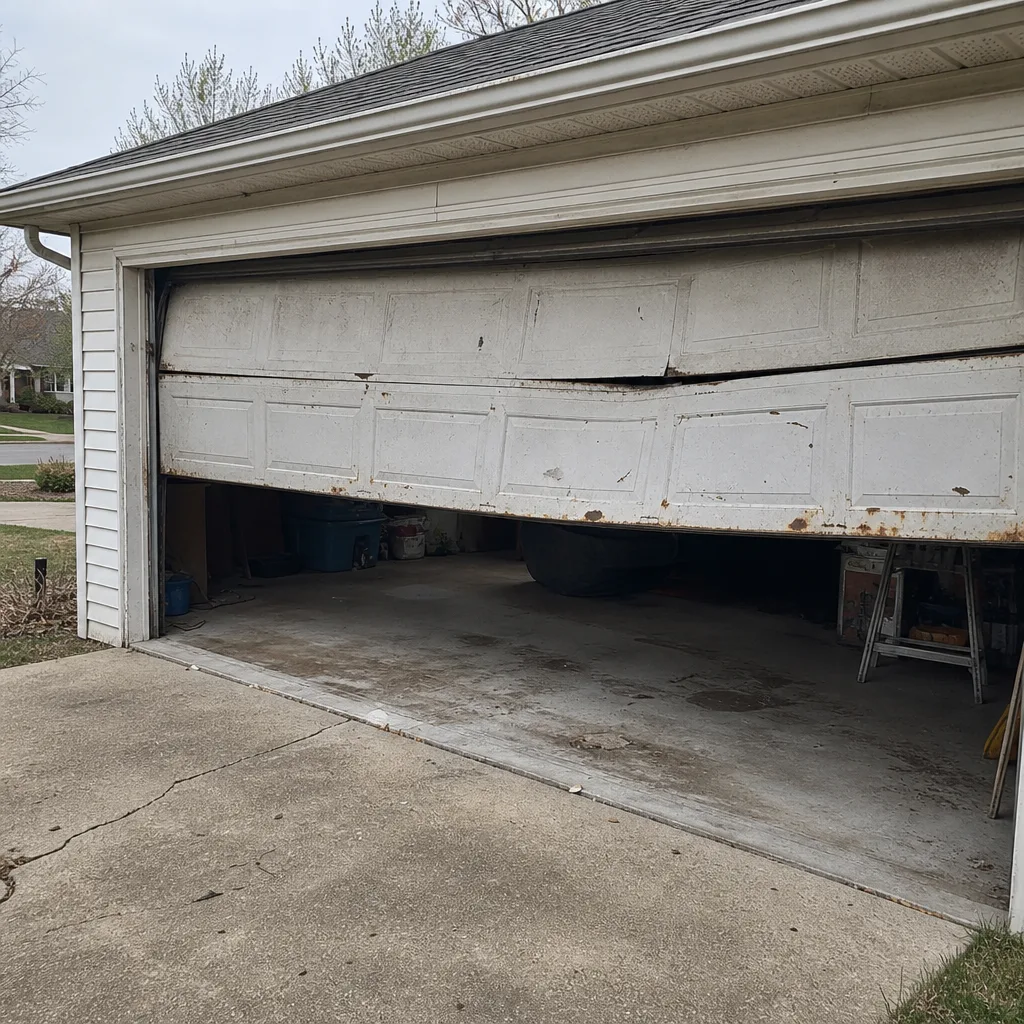
See the difference
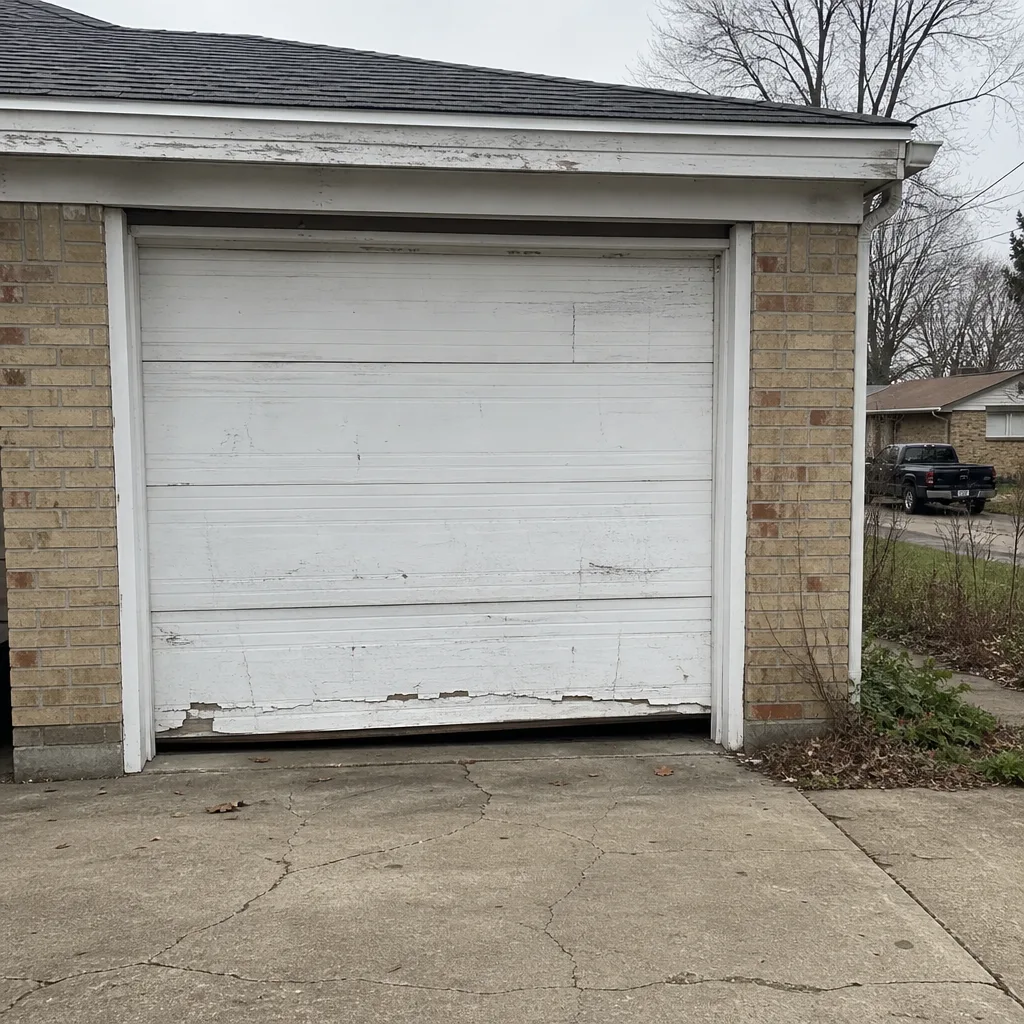 Before
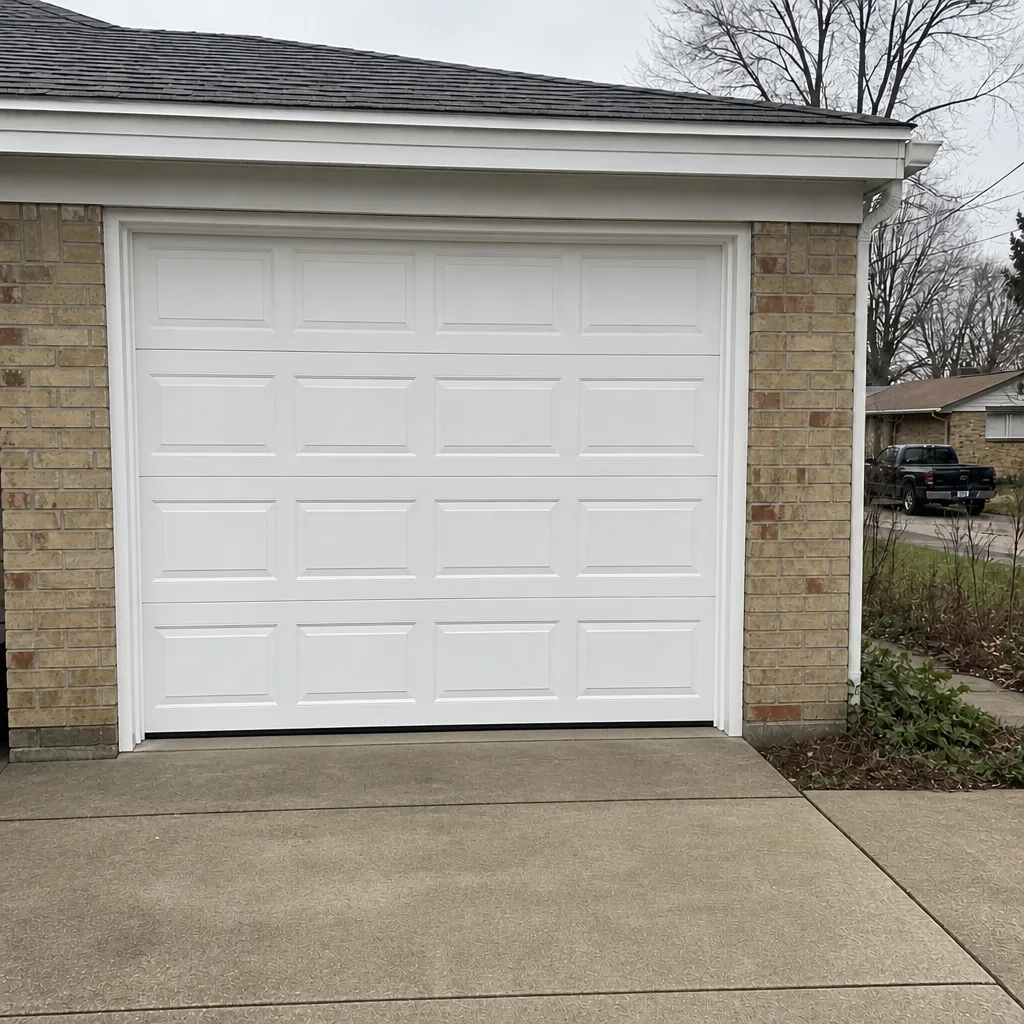 After
 Before
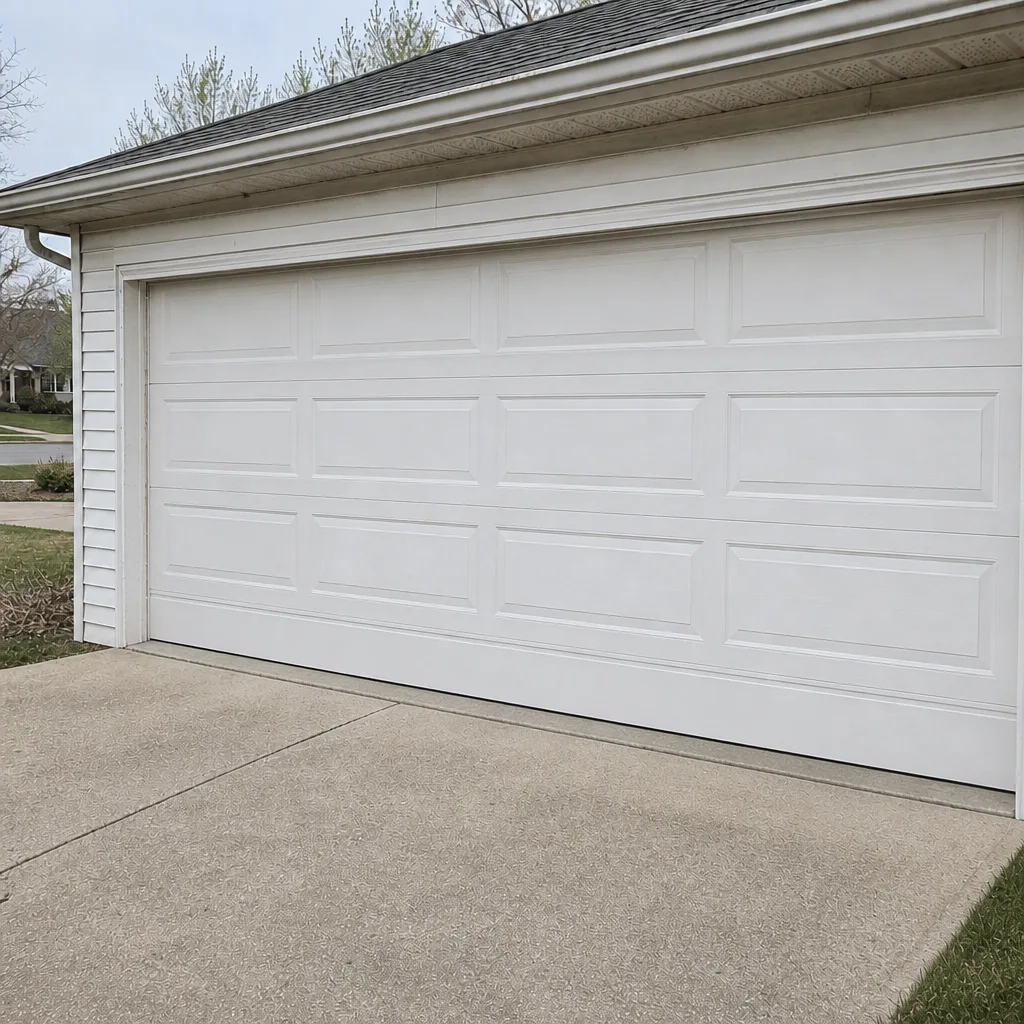 After
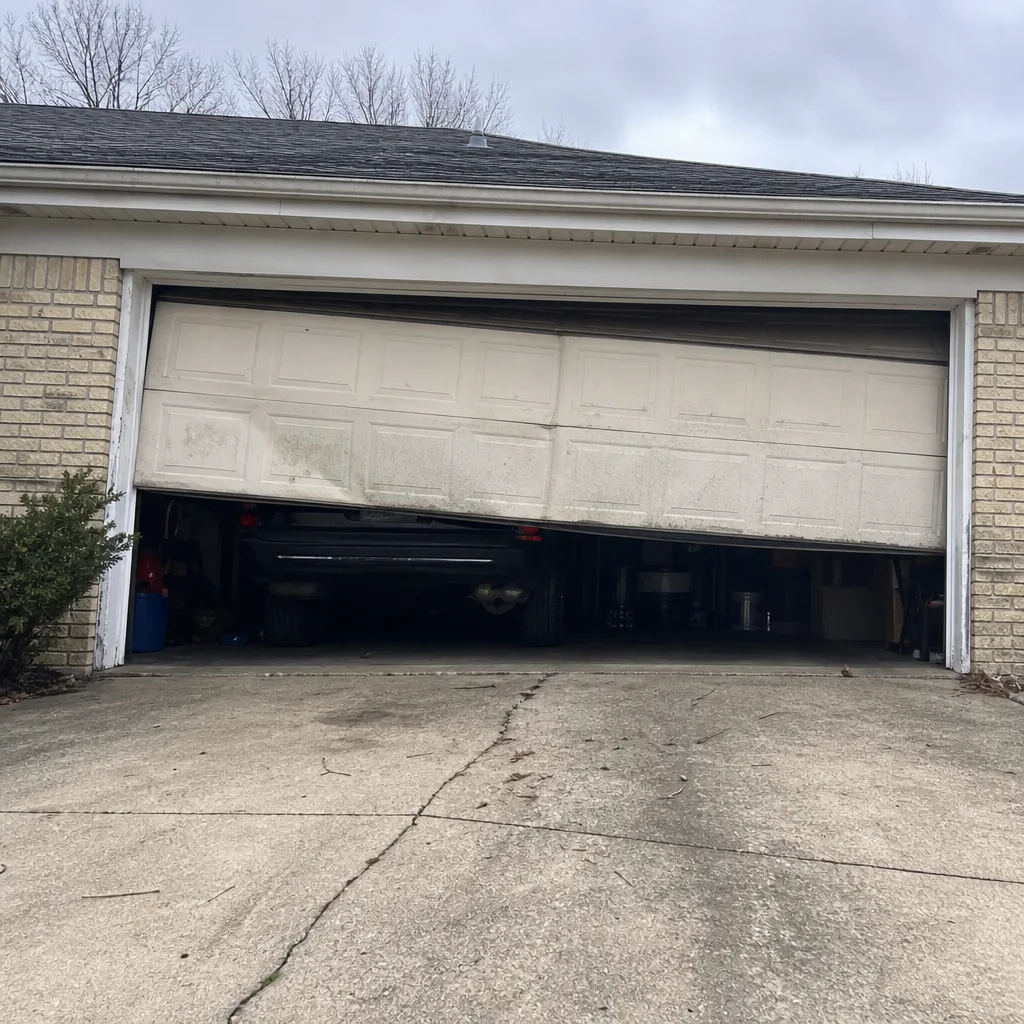 Before
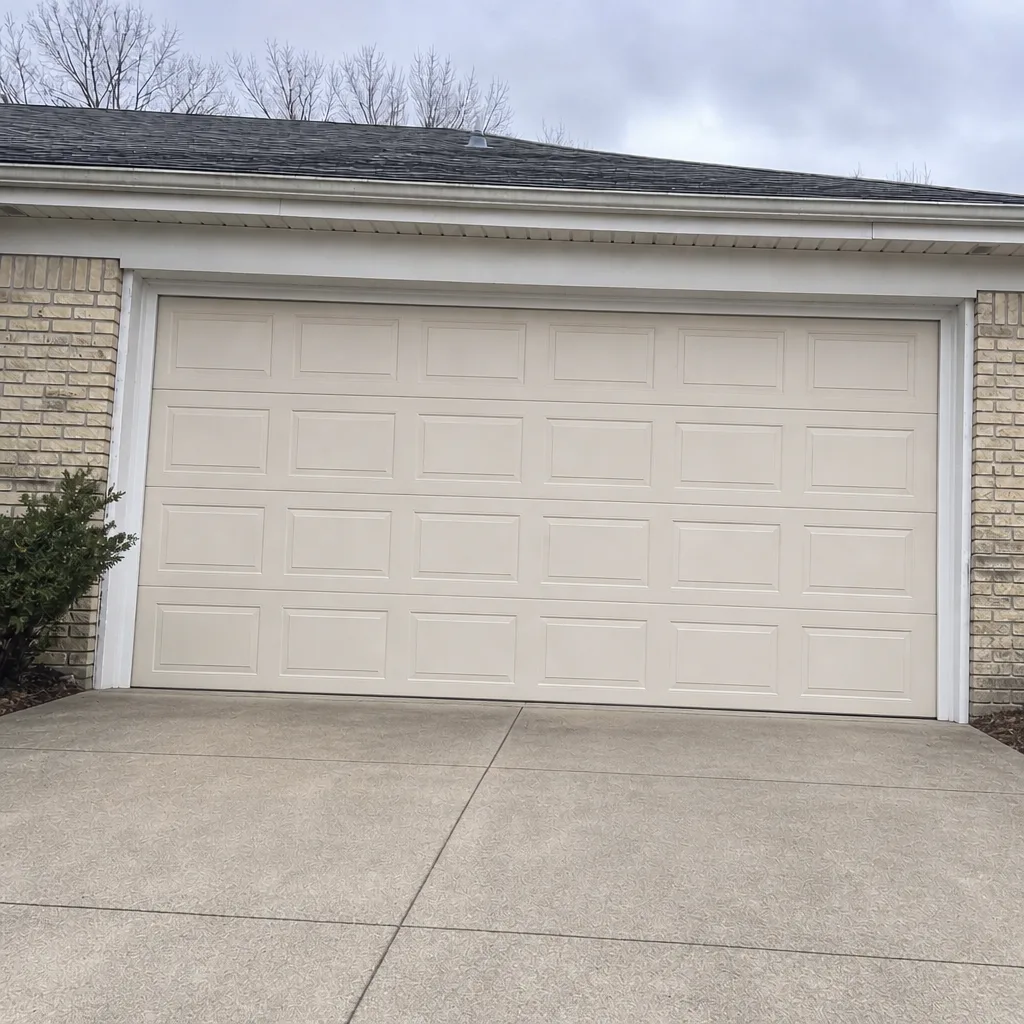 After
When to Call a Professional
Call a professional if your door needs to work today and not next week, and certainly if you’re considering the spring work yourself. The scenarios in Nora that warrant a call include a snapped torsion spring with the door stuck down or up, an opener that hums but doesn’t move the door, a door that reverses before it hits the floor, and a door that’s been binding or dragging since the cold set in. If your only experience with the equipment is pressing the remote, that’s reason enough. Spring work, opener diagnosis, and door installation are all jobs where the wrong move is expensive and, in the case of springs, genuinely dangerous. Garage Door Repair Nora offers free estimates in Nora. Call (833) 468-3650 and we’ll quote the job before any work starts.
Frequently Asked Questions
Ask them to name the brands they service and how they size a replacement spring. A specialist answers specifically, names LiftMaster, Chamberlain, Genie, Clopay, Amarr, Wayne Dalton, Craftsman, or Raynor, and can tell you how a spring gets matched to a door by weight, wire diameter, inside diameter, and length. A generalist gets vague or pivots to a price on a whole new door. Call (833) 468-3650 for a free estimate and you’ll hear the difference in the first two minutes.
No. Indiana does not require a state license specifically to replace a garage door spring or perform routine garage door repair. That means there’s no state credential you can look up to confirm a contractor’s qualifications. The screening process in this guide, especially the insurance certificate and the brand-specific questions, becomes your substitute for a licensing board check. Ask for the written line-item estimate and the certificate of insurance before any work starts.
It shouldn’t, if you’ve been given a written line-item estimate. A legitimate estimate states what the job covers and what would change the scope: a cracked end plate, a worn cable, a track that needs realignment. If the technician finds one of those, they should tell you before proceeding. If the only thing that changes is that they’re already there and want more money, that’s a pricing trap. A free estimate from us comes as a written scope, and the price we quote is the price. Call (833) 468-3650 to schedule one.
We connect you with state-licensed, insured, and bonded local professionals who carry coverage as the state requires. Ask any contractor you’re screening for the certificate of insurance and confirm three things: the policy is current, it covers property damage during the job, and the named insured matches the business on the estimate. That last check matters more than most homeowners realize, because it’s what protects your siding, trim, and windows if something goes wrong on install.
A matched pair is usually replaced together, and a quote that gives one price for one spring is not the price for the pair. Both springs in a pair have run the same number of cycles, so when one goes, the other is close behind. Replacing only one means a second service call, usually soon. Ask the contractor to state explicitly whether the quote covers one spring or both, and get the labor figure separately so you can compare estimates accurately. Call (833) 468-3650 for a free estimate.
The parts warranty comes from the manufacturer and covers defects in the part itself. The labor warranty comes from the installer and covers the work of putting it in. They’re separate, they can have different lengths, and the labor warranty is the one to confirm in writing. Ask what the labor warranty covers and for how long, and ask who you call if the part fails. A local Nora contractor can schedule that warranty visit without sending anyone from out of town. Call (833) 468-3650 for a free estimate and we’ll walk through both warranties before you commit.
The Bottom Line
Indiana won’t verify a garage door contractor for you, so the screening is yours. Confirm the contractor’s trade is garage doors specifically, not a side job between other work. Ask brand-specific questions and listen for specifics on part names and spring sizing. Get the certificate of insurance and read the property damage coverage. Read reviews for patterns, not scores. And get a written line-item estimate that names the part, the brand, the labor, and the warranties. Run that process and you’ll hire the specialist in Nora instead of the generalist with a wrench. Written by the team at Garage Door Repair Nora.
Contact Us
If you’d rather hand the screening to a team that already does this work every day, give us a call. We quote the job before any work starts, diagnose the system from the opener to the door, and work on the brand you actually have. Call (833) 468-3650 for a free estimate in Nora. Our technicians have up to 12 years of experience, and every technician dispatched is a garage door specialist.
Written by the team at Garage Door Repair Nora.